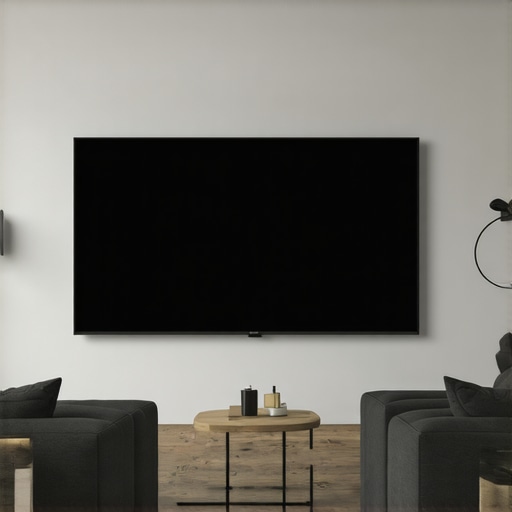
It was a frustrating weekend in my home theater project. I had finally settled on this sleek, pristine fixed frame screen, eager to enjoy movies in crystal clarity. However, as I attempted to mount it, I realized that my initial approach was a disaster waiting to happen. The screen wobbled slightly, the mounting brackets felt insecure, and I couldn’t shake that uneasy feeling—what if it falls? That lightbulb moment hit me hard: mounting a fixed frame screen isn’t as straightforward as I thought.
Why Proper Anchoring of Your Fixed Frame Screen Matters More Than You Imagine
Securely anchoring your 2026 fixed frame screen to drywall isn’t just about aesthetics; it’s about safety, image quality, and long-term durability. A poorly mounted screen can wobble with the tiniest bump, causing flickers in your viewing experience or, worse, falling and damaging your investment. Less obvious but equally concerning is the risk of damaging your drywall, resulting in costly repairs.
Did you know that some mounting failures aren’t immediately visible but can lead to catastrophic falls over time? According to professional AV installers, improper anchoring can reduce the lifespan of your projection setup by years. Early in my journey, I made the mistake of relying on generic wall anchors and ignoring the specific weight distribution of my screen. That oversight taught me a vital lesson—knowing exactly how to anchor your screen makes all the difference.
Today, I promise to share with you four expert-approved methods that will transform your mounting frustrations into confidence. Whether you’re dealing with a heavy, high-gain screen or a delicate ALR surface, these techniques will ensure your setup is both secure and seamless.
Before we dive into the nitty-gritty, ask yourself this: Have you ever faced instability or wobbling issues with your projector screen? If yes, you’re not alone—and there’s a better way.
For a comprehensive understanding of different types of projection screens and which might be best for your space, check out this comparison of fixed frame versus motorized pull-down options.
Now, let’s get started with the first of four professional anchoring strategies that will give your home theater that perfect, worry-free finish.
Secure Your Mounting Points First
Think of anchoring your fixed frame screen like anchoring a giant painting—if it’s not secured properly, it could fall and shatter. Start by locating the wall studs using a stud finder; these are your strongest points. Mark the positions carefully, ensuring they align with the mounting brackets on your screen. When I did this, I initially drilled into drywall and watched the entire setup wobble—lesson learned. Using a level, double-check your marks for perfect alignment. Remember, a misaligned screen not only looks bad but can cause undue strain on the mounting hardware. Choosing the right hardware is critical—heavy-duty lag bolts are far superior to regular screws for supporting substantial weight. For detailed guidance, refer to the fixed frame vs. motorized pull-down comparison.
When it comes to setting up the perfect projection system, many assume that choosing the right fixed frame or pull-down screen is just about size, cost, and ease of installation. However, seasoned AV professionals know there’s a labyrinth of subtle factors that can make or break your experience, often misunderstood or overlooked by beginners. Let’s explore some of these hidden nuances that can elevate your home theater setup from good to exceptional.
One common misconception is that higher screen gain always results in brighter images. While it’s true that high-gain screens reflect more light, many forget that this often leads to undesirable side effects like hotspotting and reduced viewing angles, especially in larger rooms. For example, a 2025 study from the Society of Motion Picture and Television Engineers highlights that excessive gain can cause uneven brightness and color shifts, compromising image fidelity. Therefore, understanding the optimal screen gain for your specific space is crucial. Low to moderate gain screens, such as 0.8 or 1.0, often deliver more uniform images, especially in rooms with ambient light.
Another frequently misunderstood aspect is the impact of screen surface texture on image quality. Many enthusiasts stick to smooth, white surfaces, believing they are universally best. However, textures like grey or ALR (Ambient Light Rejecting) fabrics are designed to tailor reflection characteristics, often enhancing contrast and black levels in illuminated environments. But, pick the wrong texture—like a rough or overly reflective fabric—and you might introduce glare, shimmer, or even color distortions. Advanced setups demand a nuanced choice of surface based on projector brightness, room lighting, and ambient conditions.
The myth that all pull-down screens are equal also deserves debunking. Many novice users treat manual and motorized pull-downs as interchangeable. In reality, motorized options often suffer from issues like noise and slight misalignments over time if not properly maintained. Conversely, manual screens, when tensioned correctly, can provide a flatter, more durable surface. This is why professional setup guides recommend inspecting tensioning mechanisms meticulously, especially in larger or frequently used installations. Don’t underestimate the importance of proper tension for preventing waves or wrinkles that can distort the projected image.
Have you ever fallen into this trap? Do you assume that all projection screens are created equal, or that higher gain is always better? Share your experiences—I love hearing about your challenges and solutions. Remember, deliberate choices backed by understanding these nuanced aspects will always outperform generic assembly. To deepen your knowledge, consider reviewing the comprehensive setup strategies outlined in the ultimate blueprint for professional projection screen setup. After all, a well-informed enthusiast is the best architect for their home theater masterpiece.A well-installed projection screen is just the beginning; keeping it functioning flawlessly over time requires attention to detail, the right tools, and strategic maintenance. Personally, I rely on a combination of specialized equipment and proven techniques to ensure my screen continues delivering crisp images without costly repairs. One of my favorites is a high-quality microfiber lint-free cloth paired with a gentle cleaning solution specifically designed for delicate surfaces, like the ALR screens cleaning guide. This combo prevents dust buildup and avoids scratches, maintaining optimal brightness and contrast. For deeper inspections or addressing stubborn spots, I use a handheld UV light to detect residual residues or mold, especially in humid environments. It’s a small investment that pays off by catching issues before they escalate. Software tools also play a role; I utilize calibration programs like ISF calibration software to fine-tune my projector’s settings regularly, ensuring color accuracy and image clarity don’t drift over time. Prediction indicates that the future of screen maintenance will lean heavily toward smart, IoT-connected sensors that monitor and alert us to environmental threats like humidity, dust, or temperature swings—think of proactive systems for home theaters. To keep your setup in top shape, regularly check the tensioning of pull-down screens to prevent waves or wrinkles, which can be quickly fixed with home-grade tensioning kits. How do I maintain my projection surfaces to last years? I prioritize gentle cleaning, environmental control, and routine calibration, which all contribute to consistent performance. For in-depth strategies, I recommend reviewing these tensioning techniques. As a practical tip, try applying a soft, microfiber cloth in a circular motion with a mild, screen-approved cleaner to remove dust—this simple step can prevent tiny particles from causing surface damage over time. And remember, regular inspections of your mounting hardware will save you from unexpected mishaps. Keep your projection surfaces pristine, and your home theater experience will stay sharp for years to come.
The Hard Lessons Only Experience Usually Reveals
One of my most valuable insights came from realizing that no matter how carefully you plan, actual measurement and testing are irreplaceable. I once thought I could eyeball the positioning, but a simple cross-check using a level and measuring tape saved me from a wobbling disaster later. Another lesson was understanding that hardware quality matters—cheap brackets may look decent but can compromise safety and longevity. Lastly, I learned the importance of regular inspections; I used to set up and forget, but periodic checks reveal issues like loose bolts or tension problems before they escalate. These lessons taught me that patience, precision, and proactive maintenance are key to a flawless projection experience. Ever experienced a mounting mishap that could have been avoided with a little extra care? Share your story below!
No Responses