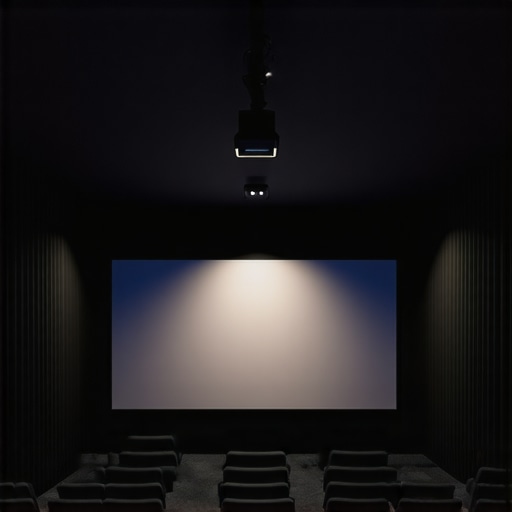
My First Encounter with Projection Screens: A Personal Revelation
As someone who has always been passionate about home entertainment, I vividly remember the first time I set up a projection screen in my living room. It was a DIY project that transformed my space into a mini-theater. That experience sparked my curiosity about the different types of screens available, especially fixed frame and pull-down projection screens, which are popular choices among enthusiasts like myself.
Why I Fell in Love with Fixed Frame Screens
Initially, I was drawn to fixed frame screens because of their sleek appearance and superior image quality. Their rigid structure ensures a perfectly flat surface, which is crucial for a crisp, clear picture. During my research, I discovered that fixed frame screens excel in providing consistent focus and minimal distortion, making them ideal for dedicated home theaters. I found that they also tend to be more durable and easier to maintain compared to other options, which is supported by experts at Home Cinema Essentials.
Pull-Down Screens: Flexibility in My Space
As my setup evolved, I realized that pull-down screens offered the versatility I needed. Unlike fixed frames, pull-down screens can be hidden when not in use, saving space and maintaining a clean look. I appreciated how easy it was to operate them, often with a simple manual or motorized system. This adaptability is especially beneficial if your room serves multiple purposes, or if you want a sleek aesthetic without permanent fixtures. I explored different models and learned that modern pull-down screens incorporate high-quality materials, ensuring excellent image clarity even in varied lighting conditions.
Which One Fits My Needs? A Personal Reflection
Deciding between fixed frame and pull-down screens ultimately depends on your specific environment and preferences. For me, fixed frames are best for dedicated viewing rooms where I prioritize picture quality and stability. However, if space-saving and multifunctionality are more important, a pull-down screen might be the better choice. To get a comprehensive understanding, I recommend reading the detailed comparison at Home Cinema Essentials.
What should I consider before investing in a projection screen?
When I was choosing my screen, I looked into factors like screen gain, material, size, and installation options. Knowing how each element affects the viewing experience helped me make an informed decision. For instance, understanding screen gain and how it influences brightness and contrast was a game-changer. For more technical insights, I found this resource helpful: Understanding Screen Gain.
If you’re contemplating your own setup, I encourage you to share your experiences or ask questions in the comments below. Building a home theater is a personal journey, and learning from others can be incredibly valuable.
How Do Different Screen Materials Impact Your Viewing Experience?
Choosing the optimal projection screen material is a nuanced decision that significantly influences image quality. Experts at Home Cinema Essentials emphasize that materials vary in reflectivity, texture, and color accuracy, all of which affect brightness, contrast, and color fidelity. For example, high-gain screens can amplify brightness but may introduce hot-spotting, whereas matte surfaces ensure uniformity, ideal for rooms with ambient light. Understanding these subtleties helps in tailoring your setup for the best possible viewing experience, especially when considering room-specific lighting conditions or projector specifications.
Beyond the Basics: Exploring the Nuances of Projection Screen Materials
As I delved deeper into my home theater journey, I realized that the choice of screen material isn’t just about brightness or contrast—it’s about understanding how different surfaces interact with projectors and lighting conditions to create a truly immersive experience. For instance, I experimented with high-gain screens, which are fantastic in bright rooms, but I noticed hot-spotting—where the center appears brighter than the edges—can be distracting. This led me to explore matte surfaces, which offer more uniform reflectivity, especially in rooms with ambient light, aligning with insights from Home Cinema Essentials. Selecting the right material requires a balance: do you prioritize maximum brightness or uniformity? The answer depends on your room’s lighting and your projector’s capabilities, making this decision a deeply personal one.
Mastering the Art of Professional Projection Screen Setup
After countless hours of trial and error, I discovered that proper installation is vital to achieving optimal image quality. Using professional guides like the ultimate setup blueprint, I learned about the importance of correct tensioning, wall alignment, and avoiding distortions that can compromise picture clarity. A well-installed screen maintains its flatness and prevents warping, which can cause focus issues. When I finally followed these expert tips, the difference was palpable—images appeared sharper, with better contrast and uniformity. If you’re serious about your home theater, investing time and effort into a precise setup pays dividends, and I encourage you to explore professional installation options or detailed tutorials to elevate your experience.
How Do Advanced Technologies Shape the Future of Projection Screens?
While I was satisfied with my current setup, I couldn’t help but wonder about future innovations that could revolutionize projection technology. I came across exciting breakthroughs like ALR (Ambient Light Rejection) screens, which are designed to perform exceptionally in well-lit rooms by reflecting projected light directly back to viewers while minimizing ambient light interference. This technology represents a significant leap forward, making high-quality home theaters more accessible without requiring perfect dark rooms. According to Home Cinema Essentials, these advancements could redefine home entertainment, blending the convenience of everyday living with cinema-grade visuals. I find myself contemplating whether integrating such cutting-edge screens could be the next step in my home theater evolution. Have you explored these innovations? Sharing your experiences or questions could help us all navigate this rapidly evolving landscape.
What’s Next in My Home Theater Journey?
As I continue to refine my setup, I am increasingly interested in the synergy between screen materials, ambient conditions, and projection technology. Each component influences the others in subtle yet profound ways. For example, selecting a high-gain screen might seem straightforward, but pairing it with a projector that has a high lumen output ensures brightness without sacrificing contrast. Similarly, understanding the nuances of placement, throw distance, and room acoustics enhances the overall experience. If you’re contemplating upgrades or starting your own setup, I recommend exploring comprehensive resources like expert tips on choosing the best ALR screens and considering professional consultation. Your home theater should be a reflection of your personal taste and technical curiosity—don’t hesitate to experiment and share your journey, as collaborative learning often leads to the most rewarding results.
Unlocking the Potential of Ambient Light Rejection Screens for Bright Room Environments
One of the most transformative developments in projection screen technology is the advent of ALR (Ambient Light Rejection) screens, which I have been personally experimenting with to optimize my multi-purpose living room. Unlike traditional screens that require dim lighting conditions, ALR screens employ specialized optical coatings and micro-structures to reflect projected light directly back to the viewer while absorbing or scattering ambient light. This innovation has enabled me to enjoy vibrant, high-contrast images even during daytime or in rooms with substantial window exposure, aligning with insights from Home Cinema Essentials. The result is a versatile setup that harmonizes viewing comfort with everyday lighting conditions, eliminating the need for constant blackout curtains or complex room modifications.
Expert-Driven Approaches to Achieving Perfect Screen Tension and Alignment
Having dedicated significant time to perfecting my installation, I can attest that the meticulous tensioning and precise alignment of the projection surface are paramount for optimal image clarity. I adopted techniques from the ultimate setup blueprint, which emphasize the importance of maintaining a flat, warping-free surface through professional-grade tensioning systems. Using laser alignment tools and measuring the throw distance accurately, I managed to eliminate distortions that previously compromised focus and uniformity. This level of detail not only improves visual fidelity but also extends the lifespan of the screen by preventing undue stress on mounting points. For enthusiasts seeking to elevate their DIY installation, embracing these professional methods is a worthwhile investment, transforming a simple setup into a cinematic masterpiece.
How Can Advanced Screen Materials Elevate Your Viewing Experience?
Beyond basic material choices, understanding the nuanced interaction between screen surface properties and projector specifications can dramatically enhance your viewing quality. For instance, high-gain screens amplify brightness but risk hot-spotting, which I encountered firsthand when experimenting with different surfaces. Conversely, matte, low-gain materials distribute reflected light more evenly, providing consistency across wide viewing angles—especially beneficial when seating arrangements are diverse. This aligns with the comprehensive analysis at Understanding Screen Gain. Selecting the right material involves balancing desired brightness, ambient lighting conditions, and projector lumen output, thus tailoring your setup to your unique environment. This layered approach to material selection ensures a more immersive and professional-quality experience that can rival commercial theaters.
What Are the Future Trends in Projection Screen Innovation?
In contemplating future advancements, I am particularly intrigued by the potential of nano-structured surfaces and adaptive screens that can dynamically modify their reflective properties based on ambient conditions. These technological frontiers promise even greater versatility and image fidelity. For example, emerging research suggests that screens with embedded nano-particles could actively adjust their reflectivity, optimizing contrast and color accuracy in real-time. Such innovations could fundamentally alter home theater design, making setups more adaptable and user-centric. I encourage fellow enthusiasts to stay abreast of these developments through authoritative sources and consider how integrating cutting-edge screens might elevate their cinematic experiences. Sharing insights and experimenting with these technologies can lead to personalized solutions that redefine home entertainment standards.
Engage and Share Your Projection Journey
If you’re passionate about creating your dream home theater, I invite you to delve deeper into these advanced topics and share your experiences or questions. Whether it’s experimenting with new screen materials, perfecting installation techniques, or exploring emerging technologies, collaborative learning is invaluable. Feel free to reach out through our contact page—I’m eager to exchange insights and help refine your setup into a stunning visual masterpiece. Remember, the journey toward cinematic perfection is ongoing, and every improvement brings you closer to an immersive, personalized entertainment sanctuary.
Things I Wish I Knew Earlier (or You Might Find Surprising)
1. The Material Matters More Than You Think
When I first started my home theater setup, I underestimated how much the screen material would influence picture quality. Experimenting with different surfaces taught me that matte screens reduce glare and hot-spotting, which I didn’t fully appreciate at first. This realization made me rethink my choices and prioritize materials that matched my room’s lighting conditions.
2. Proper Tensioning Saves You Headaches
Initially, I overlooked the importance of perfectly tensioned screens. Loose or warped surfaces caused focus issues and distorted images. Learning professional tensioning techniques, like using laser alignment tools, transformed my viewing experience and made my setup look much more polished.
3. Ambient Light Rejection (ALR) Screens Are Game-Changers
I was skeptical about ALR screens until I tried one in my bright living room. The high contrast and vibrant colors I achieved during daytime viewing were astonishing. If your space isn’t ideal for complete darkness, ALR technology might be worth exploring.
4. Installation Is Half the Battle
After struggling with uneven images, I discovered that precise installation—wall alignment, correct throw distance, and secure mounting—makes all the difference. Following detailed guides helped me avoid common pitfalls and enjoy a cinema-quality picture.
5. Room Lighting Conditions Influence Material Choice
Choosing the right screen isn’t just about the projector; it’s about your room’s ambient light. I found that combining matte surfaces with blackout curtains created a perfect environment for high-quality projection, even during the day.
6. Technology Continues to Evolve
From high-gain screens to nano-structured surfaces, the tech behind projection screens is advancing rapidly. Staying updated through trusted sources can help you make informed decisions and upgrade effectively over time.
Resources I’ve Come to Trust Over Time
- Home Cinema Essentials: This site provides comprehensive guides and expert insights on projection screens, helping me understand technical details without feeling overwhelmed. I recommend it for anyone serious about their setup.
- AVS Forum: An active community where enthusiasts share real-world experiences and tips, offering valuable perspectives beyond commercial marketing.
- Projector Central: Their reviews and tutorials helped me choose the right projector and understand how it interacts with different screen types.
- Reddit r/hometheater: A vibrant community sharing recent innovations, DIY tips, and troubleshooting advice—great for staying inspired and informed.
Parting Thoughts from My Perspective
Choosing the perfect projection screen is a personal journey that combines technical understanding with room-specific considerations. From my experience, investing in the right material, ensuring professional installation, and staying informed about emerging technologies can elevate your home theater from good to spectacular. Remember, every room is different, and experimenting with different options often leads to the best results. If this resonated with you, I’d love to hear your thoughts or experiences. Feel free to share your journey or ask questions—building a home theater is a rewarding adventure that’s worth every effort.
6 Responses
Reading through this detailed guide on fixed frame and pull-down projection screens really resonated with my own experience setting up a home theater. I started with a fixed frame screen in my dedicated media room because I prioritized image stability and uniformity. However, I soon realized that space constraints and multi-purpose use led me to switch to a motorized pull-down screen, which folds away when not in entertainment mode. The flexibility it offered was a game-changer for me, especially during gatherings or when I wanted a cleaner look. One challenge I faced was the installation, particularly ensuring the screen was perfectly tensioned and aligned for optimal image clarity. I found that using laser alignment tools and sturdy mounting brackets made a huge difference. Has anyone tried both with different projector types? I’d be interested to hear how your experiences compare, especially in terms of long-term durability and image quality across diverse lighting conditions.
Reading this post reminded me of my own journey setting up a home theater. I initially went with a fixed frame screen for my dedicated media room because I valued stability and crisp image quality. However, due to space limitations and the need for a more versatile setup, I later opted for a motorized pull-down screen. It’s now my go-to option since it keeps the room looking clean when not in use and allows me to switch between activities seamlessly.
One thing I found interesting is the challenge of ensuring proper tension and alignment during installation. I agree that professional-grade tensioning tools and laser alignment significantly improve the picture quality and longevity of the setup. I’ve also noticed that different projectors can interact differently with these screens — for example, high-lumen projectors tend to perform better with matte, low-gain screens to avoid hot-spotting.
How do others manage choosing the right screen type when they have a mix of different projector models? Are there specific factors that influence which screen material or mounting system you prefer for longevity and consistent image quality? Would love to hear your thoughts on optimizing for different projector types.
This post really struck a chord with my own experience in home theater setup. I began with a fixed frame screen in my dedicated room to maximize stability and clarity, which truly enhanced my viewing. Over time, as my needs evolved, I switched to a motorized pull-down for its space-saving benefits and flexibility, especially since I often entertain guests or repurpose the room. I found that, for different projector models—particularly those with varying lumen outputs and contrast ratios—the choice of screen material can make a significant difference. For instance, a high-lumen projector pairs well with matte surfaces to prevent hot-spotting, while lower lumen models often benefit from high-gain screens to boost brightness. Has anyone else experimented with mixing different screen materials to accommodate multiple projectors? I think understanding these nuances can really help tailor the perfect setup. Would love to hear how others handle diverse equipment and room conditions.
Reading this detailed exploration of fixed frame and pull-down projection screens really made me reflect on my own setup journey. I started with a fixed frame because I loved its stability and crisp image output, especially suited for my dedicated media room. However, as I began using the space for more casual, multi-purpose gatherings, I realized how handy a motorized pull-down screen would be, offering much-needed flexibility and space efficiency. One challenge I encountered was finding a balance between screen material and projector type to avoid hot-spotting and maximize brightness. I found that in rooms with variable lighting, matte, low-gain screens help maintain consistent image quality, especially with different projectors. For those with multiple projectors or changing environments, do you opt for adjustable gain screens or different materials tailored to specific devices? I’d love to hear how others manage these nuances for a balanced home theater experience.
This post really resonates with my own experience of setting up a home theater. I started with a fixed frame screen in my dedicated media room because I prioritize image stability and the best possible picture quality. However, as I wanted more flexibility for different occasions and space-saving options, I transitioned to a motorized pull-down screen. The difference it made in usability was incredible, especially for multitasking spaces. One thing I’ve learned over time is that the choice of screen material can significantly impact performance based on your projector’s lumen output and ambient lighting. For instance, high-gain screens can sometimes cause hot-spotting in larger rooms, while matte, low-gain screens tend to distribute light more evenly. How do others balance choosing materials—especially if their room has variability in lighting or they use multiple projectors? It’s a fascinating challenge to get that perfect setup, and I’d love to hear your tips or experiences.
This post really hits home for me. I also started my home theater journey with a fixed frame screen because I was drawn to its crisp image and clean look, especially in a dedicated room. But as my needs grew, I found the pull-down option incredibly useful for multi-purpose spaces and occasional use. I wonder if long-term durability becomes a concern with motorized pull-down screens, especially in rooms with high traffic. Has anyone encountered issues with wear and tear on motorized components or tensioning problems over time? I’ve read that proper installation and quality materials can mitigate these issues, but it still seems like a trade-off when opting for convenience. How do you balance durability versus flexibility when choosing between fixed and pull-down screens, particularly if you plan to use multiple projectors or have family members handling the setup? Would love to hear your insights from personal experience.