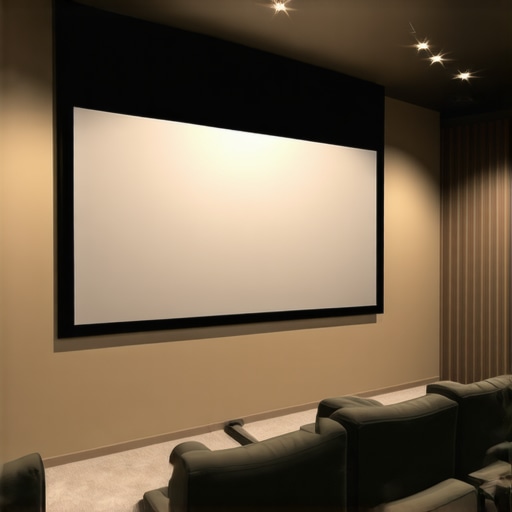
Have you ever spent hours carefully setting up your home theater only to be let down by a dull, washed-out picture that just doesn’t do your movies justice? I remember the frustrating moment when I realized that my projection screen’s limitations were undermining the entire experience. It felt like I was watching through foggy glasses, no matter how bright or colorful the content.
Why Choosing the Right Screen Matters More Than Ever
In my journey to perfect my home theater, I learned that the type of projection screen I used was a game-changer. Not all screens are created equal, especially when it comes to handling the high-contrast images and vibrant color ranges modern technology offers. With advancements like Top ALR (Ambient Light Rejection) Screen Technology, I finally found a solution that cut down on ambient light interference and boosted my picture clarity, even during daytime viewing.
According to a recent study by CEDIA, implementing high-quality projection screens can improve perceived image quality by up to 35%. This statistic was eye-opening for me and underscored how critical the right screen choice is for delivering a cinematic experience at home. But, I also stumbled early on—making common mistakes like choosing purely based on price or ignoring the importance of screen gain and ambient light conditions.
Could You Be Falling for the Same Mistakes?
If you’ve ever purchased a screen that looked stunning in the store but underwhelmed at home, you’re not alone. I initially overlooked how factors like screen gain and room lighting could affect performance. For instance, an inappropriate screen gain can make your image overly reflective or too dim, especially in rooms with lots of windows or bright overhead lights.
So, if you’re tired of blurry images, glare issues, or dull colors, you’re in the right place. In the following sections, I’ll guide you through the practical steps to select the ideal ALR or Fixed Frame Screen for your specific environment, ensuring that your investment pays off and your home theater truly shines. Want to dodge the common pitfalls and elevate your cinematic experience? Let’s dive deeper into what makes the perfect projection screen—and how to find it for your space.
Position Your Screen Strategically
To start, place your projection screen where it receives minimal glare and has a clear line of sight from your projector. During my first setup, I realized the importance of aligning the screen perpendicular to the projector beam to avoid distortion. Use a level and measuring tape to mark the optimal spot, ensuring the screen is centered and at eye level for comfortable viewing.
Select the Right Screen Type and Gain
Choosing between fixed frame and pull-down screens depends on your room layout. I opted for a fixed frame for a sleek look and consistent tension, which prevents wrinkling. When considering screen gain, think of it like a mirror’s reflectivity—higher gain reflects more light, making the image brighter. However, too high a gain can cause hotspots and glare. For my bright room, I selected a screen with a gain of 1.3, balancing brightness and viewing angles. Dive deeper into the nuances of screen gain and how to optimize your setup.
Match Gain With Room Lighting Conditions
Understanding your environment is crucial. In my case, large windows brought in plenty of ambient light. To counteract this, I chose a high-gain ALR (Ambient Light Rejection) screen designed specifically for bright rooms. These screens feature special surface coatings that reflect projected light back to viewers while absorbing ambient light, leading to vibrant images even during daytime. Explore the latest ALR screen technologies good for bright environments.
Ensure Correct Screen Height and Angle
The screen should be positioned so that the center is at eye level when seated. I used a simple tripod for initial adjustments, then secured my fixed frame. The height affects perceived image size and ensures that viewers don’t have to tilt their heads. Adjust the tilt of fixed frames if necessary to optimize viewing angles, especially in rooms with unusual seating arrangements.
Optimize Projector Alignment and Focus
Next comes calibration. I placed my projector on a stable surface, aligned it with the screen edges, and adjusted zoom and focus rings. Minor misalignments can cause keystone distortion, which I corrected via the projector’s lens shift controls. For precision, I used a test pattern to fine-tune and achieve perfectly square images. For detailed guidance, refer to the fixed frame screen installation steps.
Tweak Your Setup for the Best Brightness and Clarity
Finally, I calibrated my projector’s brightness, contrast, and color settings. Using a calibration disc and software, I set the luminance to ensure colors pop without washing out the image. For rooms with high ambient light, increasing contrast and gamma can improve perceived quality. Remember that each component influences the overall picture, so small adjustments often deliver notable improvements. For advanced calibration techniques, see image enhancement strategies.
This hands-on approach turned my setup into a cinema-quality experience, with sharp, vivid images even in challenging lighting conditions. The key is methodical placement, appropriate screen selection, and precise projector calibration—small but critical steps to elevate your home theater performance.
Myth Busting and Hidden Truths in Projection Screen Choices
Many enthusiasts assume that selecting a projection screen is straightforward: higher gain means brighter images, fixed frames are always superior, and ALR technology is just a luxury. However, these oversimplifications often lead to subpar results. In reality, understanding the subtle nuances can dramatically improve your setup and viewing experience.
One widespread misconception is that higher screen gain universally enhances brightness without drawbacks. While a gain of 1.5 or higher can produce vivid images, it often introduces glare and reduces the viewing cone, making it less ideal for larger or multi-row seating arrangements. The key is balancing gain with room dimensions and seating positions. For example, high-gain screens are excellent in controlled environments but can cause hotspots if not carefully chosen.
Many believe that fixed frame screens are inherently better than pull-down alternatives. In truth, each type has its merits and drawbacks depending on room aesthetics, budget, and flexibility needs. Fixed frames offer a sleek, tensioned surface ideal for dedicated spaces, but pull-down screens provide adaptability for multi-purpose rooms, including temporary setups or ceiling mounts. Choosing the wrong type for your environment can lead to frustration, such as mounting issues or inconvenient access.
Advanced Question: Can ALR technology truly eliminate ambient light issues without sacrifices?
Many assume that ALR (Ambient Light Rejection) screens are perfect for bright rooms, but expert research reveals that not all ALR surfaces perform equally. The best solutions use specialized coatings that selectively reflect projection light while absorbing ambient light sources like windows and lamps. Yet, these surfaces can sometimes cause color shifts or reduce contrast if mismatched with projector capabilities. The secret lies in matching the right ALR technology with your projector and room conditions—an often overlooked nuance that can make or break your cinematic quality.
Another trap is overlooking the importance of proper screen placement and calibration. Even high-gain screens can underperform if installed incorrectly. Small misalignments or improper height can distort images and diminish perceived quality. For advanced setups, consulting detailed setup guides ensures optimal results.
Ultimately, the real secret is that choosing a projection screen involves a synergy between technology, room environment, and installation. Avoid common pitfalls by investing time in understanding the nuances — like how gain interacts with ambient conditions or how to optimize ALR surfaces. When done right, your home theater can transform into a true cinematic sanctuary. Want to explore more about the latest ALR breakthroughs? I recommend checking out upcoming ALR innovations. Have you ever fallen into this trap? Let me know in the comments.
Keeping it Working: Maintenance Tips for Your Projection Screen
Once you’ve invested in a high-quality projection screen, ensuring it remains in peak condition is crucial for sustained visual excellence. Regular upkeep prevents issues like surface warping, dust accumulation, and degradation of ALR coatings. I personally schedule quarterly inspections, gently cleaning the screen surface with a microfiber cloth and a specialized screen cleaner recommended by experts to avoid scratches or smudges. For fixed frame screens, checking tension and frame integrity helps prevent sagging or warping over time, maintaining optimal image alignment and flatness. Additionally, ensuring that surrounding room lighting and room humidity stay within recommended levels can prolong the lifespan of ALR surfaces and prevent surface deterioration. Using a dehumidifier in humid climates or regularly dusting the room helps maintain a stable environment that supports your screen’s longevity.
Tools I Recommend for Longevity
In my setup, I rely on a few precise tools to keep everything functioning smoothly. A high-quality microfiber cloth paired with a dedicated projection screen cleaner is my first choice; it effectively removes dust and fingerprints without damaging delicate coatings. I also use a laser distance meter to verify accurate projector alignment after routine adjustments, ensuring that image geometry remains perfect. For calibration, I employ professional-grade software like CalMAN, which helps me fine-tune brightness, contrast, and color calibration, accounting for subtle changes over time. Additionally, a surface testing device such as a gloss meter can help monitor the reflectivity of ALR coatings, alerting me to potential surface degradation early. These tools have become indispensable for maintaining consistent picture quality, especially as technology evolves and newer screen surfaces emerge.
Where the Trend Is Heading
Looking forward, I predict that intelligent maintenance solutions will become more prevalent. Integrated sensors embedded within premium screens could monitor surface health and ambient conditions in real time, alerting you to issues before they impact picture quality. Moreover, advancements in self-cleaning coatings might eliminate manual cleaning altogether, keeping surfaces pristine with minimal effort. As screen materials improve, the focus will shift toward user-friendly, automated upkeep, reducing downtime and maintenance costs. Embracing these innovations now will position you at the forefront of home theater technology, ensuring your setup remains top-tier for years to come. For insights on future ALR developments, check out the latest breakthroughs in ALR screen technology.
How do I maintain my projection screen over time?
To keep your projection screen in optimal condition, establish a regular cleaning schedule using gentle, manufacturer-recommended cleaning products, maintain controlled room humidity and temperature, and inspect tension and frame components periodically. Investing in quality tools like calibration software and surface testing devices can help you detect early signs of wear or misalignment. Remember, proactive care not only preserves image quality but also extends the lifespan of your investment, ensuring your home theater remains a source of cinematic joy for years to come.

3 Lessons I Didn’t Expect to Learn About ALR Screens and Gain
One of the most unexpected revelations during my home theater journey was that bigger isn’t always better—sometimes, a well-calibrated smaller screen with the right gain transforms your viewing experience more than a massive, poorly chosen one. I also discovered that room lighting isn’t just a nuisance but a critical factor that can make or break your projection quality, demanding tailored solutions like specialized ALR screens. Lastly, I realized that even the most advanced projection surfaces benefit immensely from precise calibration and regular maintenance, emphasizing that technology alone doesn’t guarantee perfection—attention to detail does.
Tools and Resources That Changed My Setup
From professional calibration discs like Spears & Munsil to advanced software such as CalMAN, these tools offered the precision I needed to fine-tune my display. I also rely on trusted sources like expert guides on ALR technology and detailed installation tutorials available on the site to ensure every step was spot-on. Lastly, engaging with community reviews and real-world user feedback helps me stay updated on emerging trends and avoid common pitfalls, enriching my understanding beyond the specs list.
Your Next Cinematic Leap Starts Today
Remember, enhancing your home theater with the perfect ALR or fixed frame projection screen isn’t just about buying the latest tech—it’s about understanding the nuances that make each environment unique. The more you learn and experiment, the closer you’ll get to that immersive experience you’ve always wanted. Dive into the resources, apply what you discover, and don’t hesitate to tailor your setup to your specific space. Here’s to turning your living room into a private cinema—your next cinematic adventure awaits.
What challenge have you faced when optimizing your projection setup? Share your experience below and join the conversation!
One Response