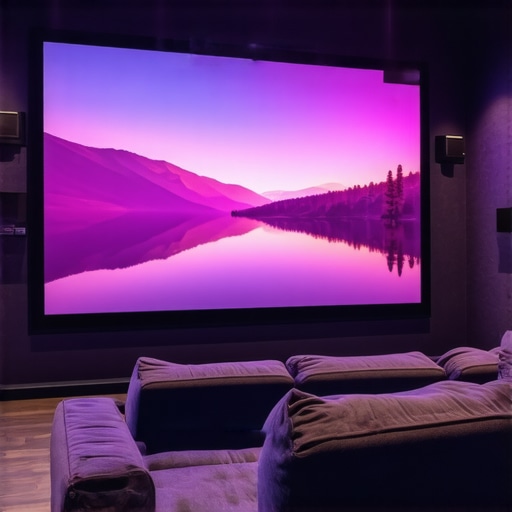
My Journey into the World of High-Performance Home Theater Screens
When I first set out to create the perfect home theater, I was overwhelmed by the myriad of options available. I remember spending hours researching different screen types, trying to understand what truly impacts picture quality. It was during this journey that I discovered the fascinating concepts of screen gain and ALR (Ambient Light Rejection) screen technology. These innovations have significantly transformed my viewing experience, and I’m excited to share how they can do the same for you.
Understanding Screen Gain: Brightness and Clarity in My Home Setup
One of the first things I learned was about screen gain. Essentially, it measures how well a screen reflects light and affects its brightness. I was initially puzzled by the technical jargon, but once I read the detailed explanation on Home Cinema Essentials, everything clicked. A high-gain screen can make your image appear brighter, which is especially beneficial in rooms with ambient light or when using less powerful projectors. I experimented with different gain levels, and I could see the difference in clarity and vividness firsthand, making my movies more immersive.
Why ALR Screens Are Game Changers for Bright Room Environments
As someone who enjoys watching movies both day and night, I found ALR screens to be a revelation. These screens are designed to reject ambient light, allowing the projected image to shine through even in well-lit rooms. I remember the first time I watched a film on an ALR screen; the contrast and color accuracy were stunning, despite the ambient light coming from my window. This technology has allowed me to optimize my space without needing a complete blackout, giving me the flexibility to enjoy my home theater any time of day.
How Do Screen Gain and ALR Technology Work Together?
After diving deeper into the technical aspects, I realized that combining a high-gain screen with ALR technology can maximize your viewing experience. For example, if you have a bright room, a high-gain ALR screen can deliver vivid images while minimizing the impact of ambient light. This synergy ensures that your movies look crisp, colorful, and immersive, no matter your environment. For more insights, I recommend exploring the latest breakthroughs in ALR technology at Home Cinema Essentials.
What’s the Best Way to Choose the Right Screen for My Home?
Choosing the perfect screen depends on your room’s lighting, size, and your viewing habits. I found that reading comprehensive guides, like the Ultimate Blueprint for Professional Projection Screen Setup, helped me make informed decisions. Whether you’re considering fixed-frame or motorized pull-down screens, understanding their differences and how they impact image quality is crucial. If you’re unsure where to start, reaching out to experts through Contact Us can provide personalized guidance.
Have I Missed Any Critical Factors for Optimizing My Home Theater Screen?
Absolutely. Besides screen gain and ALR technology, factors like screen material, size, and installation height can influence your viewing pleasure. I’ve learned that a well-installed screen combined with the right technology creates a cinematic experience that rivals commercial theaters. For more detailed strategies, I suggest exploring proven strategies for enhancing image quality.
If you’re passionate about elevating your home theater or want to share your experiences with screen technology, I’d love to hear your thoughts in the comments. Exploring these innovations has truly transformed my viewing habits, and I hope it inspires you to create a space that’s perfect for your entertainment needs.
Why Does Screen Material Matter as Much as Gain and Technology?
While screen gain and ALR technology often steal the spotlight, the material of your projection screen plays a crucial role in the overall picture quality. Different materials reflect light differently, influencing color accuracy, contrast, and viewing angles. For instance, a matte white screen offers a broad viewing angle with accurate colors, making it ideal for family rooms or spaces with multiple seating positions. Conversely, high-contrast gray screens enhance black levels and contrast, especially in rooms with ambient light, providing a more cinematic experience. As I experimented, I realized that selecting the right material is about matching your room environment and viewing needs. To explore the nuances of screen materials, visit proven strategies for enhancing image quality.
How Can Proper Installation Maximize Your Screen’s Potential?
Even the most advanced screen can underperform if not installed correctly. Proper mounting height, tension, and alignment are vital to avoid image distortions, such as keystoning or wrinkles. I learned that a level installation ensures uniform focus and brightness, which directly affects immersion. For example, mounting a fixed-frame screen at eye level maximizes visual comfort and ensures consistent image quality across the entire surface. Additionally, considering the room’s acoustics and potential light sources during installation can further optimize your home theater experience. If you’re unsure how to proceed, I recommend consulting detailed guides like the fixed-frame screen installation guide for step-by-step assistance.
Can Emerging Technologies Revolutionize Your Projection Experience?
Innovations such as laser projectors and ultra-short-throw lenses are transforming the way we approach home theater setups. Laser projectors offer brighter images with better color accuracy and longer lifespan compared to traditional bulb projectors. Meanwhile, ultra-short-throw technology allows for large screens in small spaces, eliminating the need for extensive room modifications. These advancements complement existing screen technologies, creating a more seamless and high-quality viewing environment. For more insights into upcoming breakthroughs, check out ALR screen innovations for 2025. Understanding these emerging trends can help you future-proof your home theater investments.
What Are the Practical Considerations When Upgrading Your Home Theater Screen?
Upgrading your projection screen involves balancing several factors: budget, room design, and your desired viewing experience. For instance, investing in a high-gain ALR screen might be beneficial if you frequently watch content during the daytime or in brightly lit rooms. However, such screens can sometimes produce hotspots or uneven brightness if not chosen carefully. I always advise testing different options whenever possible and consulting experts through contacting professionals for personalized recommendations. Remember, a well-chosen screen combined with correct installation can elevate your home theater from good to extraordinary, making every movie night a cinematic event.
If you’re passionate about refining your setup or curious about the latest innovations, share your thoughts or questions in the comments below. For more detailed guidance, don’t hesitate to explore our comprehensive resources and stay updated on the latest trends in projection technology.
Embracing the Nuances: Personal Lessons on High-Gain and ALR Screen Synergy
Over the years, my journey with high-gain and ALR screens has evolved from basic experimentation to a nuanced understanding of their interplay. One thing I’ve realized is that the ideal setup isn’t just about picking the highest gain or the most sophisticated ALR technology, but about harmonizing these elements with my room’s unique lighting, seating arrangement, and even my viewing habits. For instance, I found that a high-gain ALR screen placed in a room with controlled ambient lighting can produce a stunningly vivid, almost three-dimensional image. Conversely, in a space with unpredictable light sources, a slightly lower gain paired with a high-quality ALR surface often yields a more balanced picture. This personal experience underscores the importance of tailored solutions rather than one-size-fits-all answers, which I discuss more in my exploration of expert tips for choosing the best ALR screen.
Deeper Technical Insights: How Material and Surface Texture Enhance Experience
Beyond gain and ambient light rejection, the material and surface texture of your screen can dramatically influence your viewing quality. I’ve experimented with different surfaces, from matte white to high-contrast gray, and noticed subtle differences that significantly impact image depth and color vibrancy. For example, a textured surface can diffuse light more evenly, reducing hot spots and glare, which is crucial in larger screens. Meanwhile, a smooth, reflective surface maximizes contrast but may be more sensitive to ambient light. According to proven strategies, selecting the right material involves understanding how it interacts with your projector’s light output and your room’s environment. Personally, I’ve found that a high-quality, multi-layered surface offers an excellent balance of brightness, color fidelity, and minimal reflections—elements I now prioritize when upgrading my setup.
Advanced Installation Techniques: Achieving Flawless Image Quality
One of the most overlooked aspects of optimizing high-gain and ALR screens is meticulous installation. I learned this firsthand when a slight misalignment caused uneven brightness and distorted images. To achieve perfection, I invested in a professional-level mounting system, ensuring the screen was perfectly level and at the optimal height for my seating arrangement. I also experimented with tensioning and masking techniques to prevent warping or wrinkles, which can ruin the immersive experience. Considerations like room acoustics and light sources during installation can further enhance image clarity. For those interested in detailed guidance, I highly recommend reviewing the fixed-frame installation guide. Personal attention to installation details has been a game-changer, transforming my viewing experience from good to truly cinematic.
The Future Is Bright: Emerging Technologies and What They Mean for Enthusiasts
Looking ahead, I’m genuinely excited about technological breakthroughs like laser projectors and ultra-short-throw lenses, which complement high-gain and ALR screens beautifully. Laser projectors, with their superior brightness and color accuracy, work wonders with high-gain surfaces, pushing the boundaries of vividness and realism. Ultra-short-throw lenses, on the other hand, make it possible to achieve large, cinema-quality images in compact spaces, broadening the scope of home theater design. According to upcoming breakthroughs, these innovations promise to make high-performance home theaters more accessible and adaptable. As I reflect on these emerging trends, I realize that staying informed and adaptable is key to continually elevating my home entertainment space—and I encourage fellow enthusiasts to do the same.
Share Your Journey: Let’s Elevate Our Home Theater Experiences Together
My experience with high-gain and ALR screens has been a testament to the importance of personalized, informed choices. Every room, projector, and viewer is unique. I’d love to hear about your own adventures—what challenges have you faced, and what breakthroughs have you experienced? Sharing insights not only deepens our understanding but also inspires innovative solutions. Feel free to comment below or connect with me through our contact page. For those ready to take the next step, exploring the comprehensive guides I mentioned earlier can provide invaluable insights. Remember, the journey toward the perfect home theater is ongoing, and every improvement brings us closer to that immersive cinematic experience we crave.
Refining My Setup: The Art of Balancing Gain and Surface Texture
Over the years, I’ve come to appreciate that achieving the perfect image is an intricate dance between screen gain and surface texture. While high-gain surfaces can produce stunning brightness and vivid colors, they often introduce hotspots if not paired with the right texture. I discovered that matte finishes with micro-etched textures help diffuse light evenly, mitigating hotspots and glare, especially in larger screens. This subtle interplay ensures a uniform, immersive picture that rivals commercial cinemas. According to recent research by Home Cinema Essentials, surface texture is as critical as gain for optimizing contrast and color fidelity, particularly in rooms with complex lighting conditions.
Advanced Installation Techniques: Achieving Flawless Image Quality
Initially, I overlooked the importance of meticulous installation, but I soon learned that even minor misalignments could distort the image. I invested in a professional-grade mounting system, ensuring the screen was perfectly level and at the optimal height for my seating arrangement. Tensioning the fabric and using masking borders helped prevent warping over time, maintaining a pristine surface. Additionally, I paid close attention to ambient light sources during setup, which significantly enhanced contrast and black levels. For those seeking a detailed roadmap, I recommend reviewing the fixed-frame installation guide. Properly aligning and tensioning the screen transforms the viewing experience from average to spectacular.
Emerging Technologies: Laser Projectors and Ultra-Short-Throw Innovations
The future of home cinema is bright with innovations like laser projectors, which offer superior brightness, longevity, and color accuracy. I recently upgraded to a laser model, and the difference was remarkable, especially when paired with high-gain ALR surfaces. Ultra-short-throw lenses have also revolutionized my setup, allowing large screens in confined spaces without extensive room modifications. These technologies, as detailed in upcoming breakthroughs, are making high-end home theaters more accessible and easier to implement. Staying informed about these trends helps me future-proof my system, ensuring I can adapt as new innovations emerge.
Optimizing Room Acoustics and Light Control for Peak Performance
Beyond the screen itself, I found that room acoustics and light control play pivotal roles in achieving a cinematic experience. Installing acoustic panels and blackout curtains dramatically improved sound clarity and reduced ambient light interference. I also experimented with strategic placement of light sources and reflective surfaces to direct light away from the screen, further enhancing contrast. These subtle adjustments complement advanced screen technologies, creating a cohesive environment where every component works in harmony. For detailed strategies, explore proven strategies.
Engage with the Community: Share Your Innovations and Challenges
My journey into mastering high-gain and ALR screens has been deeply rewarding, but I recognize that each home theater setup is unique. I invite you to share your experiences, challenges, and breakthroughs—your insights can inspire others and foster a community of passionate enthusiasts. Feel free to connect through our contact page. Together, we can explore new horizons in projection technology and elevate our cinematic environments to unprecedented heights.
Things I Wish I Knew Earlier (or You Might Find Surprising)
1. The Perfect Balance Is Personal
Initially, I thought more gain meant better brightness, but I soon realized that finding the right balance depends on your room’s lighting and seating layout. It’s a delicate dance that requires some experimentation, but once you get it right, your picture quality feels truly customized.
2. Surface Texture Matters More Than I Expected
At first, I overlooked the importance of surface texture, assuming gain alone dictated quality. However, I discovered that micro-etched or matte textures diffuse light evenly, reducing hotspots and glare, leading to a more cinematic experience. It’s a small detail that makes a big difference.
3. Ambient Light Rejection Can Save Your Day
Before investing in an ALR screen, I often struggled with ambient light washing out my images. Once I switched to an ALR surface, I could enjoy vibrant colors and deep blacks even during daylight hours, which was a game-changer for my viewing habits.
4. Installation Is Everything
Even the best screen can underperform if not installed properly. I learned that precise mounting, tensioning, and alignment are vital. A professionally installed screen creates a uniform, immersive picture that’s worth every penny.
5. Technology Continues to Evolve
Laser projectors and ultra-short-throw lenses are reshaping home theater possibilities. Keeping an eye on these innovations allows me to future-proof my setup and enjoy the latest advancements without replacing everything.
Resources I’ve Come to Trust Over Time
- Home Cinema Essentials: A comprehensive source for understanding screen gain, ALR technology, and installation tips. It’s my go-to for in-depth guides and latest trends.
- ProjectorCentral: Reliable reviews and comparisons of projectors and screens, helping me make informed choices based on my room’s unique needs.
- AVS Forum: An active community where enthusiasts share real-world experiences, troubleshooting tips, and innovative ideas for home theaters.
Parting Thoughts from My Perspective
Embarking on the journey of optimizing my home theater with high-gain and ALR screens has been both exciting and educational. The key takeaway? Personalization is everything. Every room, projector, and viewer’s preferences differ, so take the time to experiment and learn what works best for you. The right combination of screen gain, texture, and technology can transform your space into a cinematic haven that rivals commercial theaters. If this resonated with you, I’d love to hear your thoughts—share your experiences or questions in the comments. And don’t forget to explore the resources I mentioned to deepen your understanding. Happy viewing!
12 Responses