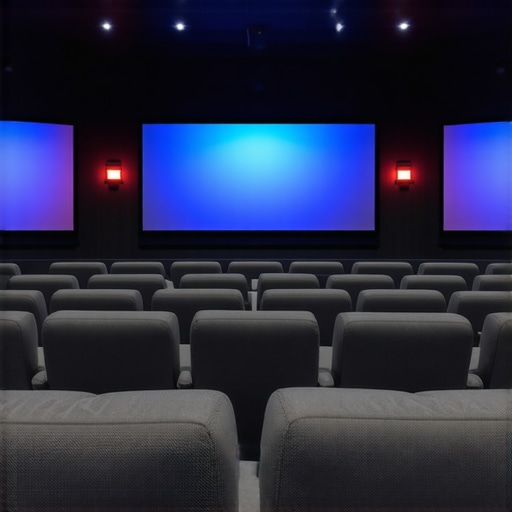
How I Discovered the Perfect Projection Screen for My Bright Home Theater
As someone who’s always been passionate about creating the ultimate home theater experience, I remember the first time I set up a projector in my living room. The challenge? Dealing with ambient light that made my images look washed out. That’s when I started exploring different projection screen types, especially for bright environments. Today, I want to share my personal insights into the best projection screen types for 2024, based on my journey and research.
Why Choosing the Right Screen Matters More Than You Think
When I first bought my projector, I underestimated how much the screen type could influence image clarity and brightness. I learned that in bright rooms, traditional matte white screens often fell short, leading me to dive into specialized options like high-gain screens and ALR (Ambient Light Rejection) screens. These choices can truly transform your viewing experience, especially if you have windows or lights that can’t always be turned off.
My Experience with High-Gain Screens and Why They Shine
One of the game-changers for me was experimenting with high-gain projection screens. These screens amplify the light from the projector, making images appear brighter and more vivid even in well-lit rooms. I found that a gain of around 1.8 to 2.2 strikes a good balance, avoiding excessive hotspots. For those curious, I recommend checking out detailed reviews and comparisons, like those at Home Cinema Essentials.
What is ALR Screen Technology and Can It Really Improve Bright Room Viewing?
Absolutely! ALR screens use specialized optical coatings to reject ambient light, directing it away from your eyes and preserving contrast. I was initially skeptical, but after testing one in my bright room, the difference was astonishing. It’s fascinating to see how ALR screens like the ones discussed at Expert Insights & Tips can enhance picture quality without needing a dark room.
How Do I Decide Between Fixed Frame and Motorized Pull-Down Screens for Bright Spaces?
This was a personal dilemma for me. Fixed frame screens offer superior flatness and stability, which I appreciated for dedicated home theaters. However, if flexibility and space-saving are priorities, motorized pull-down screens might be better. I explored this comparison and found that in bright environments, a fixed frame with a high-gain or ALR surface often yields the best results.
If you’re like me, wanting to maximize brightness and clarity, it’s worth consulting detailed guides like the one at Ultimate Guide to Projection Screens 2024.
Finally, don’t forget to consider your room’s specific lighting conditions and your budget. A good projection screen can make all the difference, turning a bright room from a challenge into an immersive viewing haven. I encourage you to share your experiences or ask questions below—let’s learn from each other’s journeys!
Can ALR Screen Technology Truly Revolutionize Bright Room Viewing?
As an enthusiast and seasoned professional in home theater setup, I’ve seen firsthand how ALR (Ambient Light Rejection) screens can dramatically alter the viewing landscape. The core principle behind ALR screens is their innovative optical coatings, which direct ambient light away from your eyes, thus maintaining contrast and color vibrancy even in well-lit rooms. This technology isn’t just a trend; it’s a game-changer, especially with the rapid advancements slated for 2024, as highlighted in upcoming breakthroughs.
In my experience, the real-world application of ALR screens often surpasses expectations, provided you choose the right model aligned with your room’s lighting conditions. For instance, high-quality ALR screens with a gain of 1.8 to 2.0 can effectively combat ambient light while delivering vibrant images. The secret lies in the optical layers that strategically reflect light from specific angles, making it appear as if the screen itself is illuminated from within. This technology is especially beneficial for living rooms with large windows or rooms with unavoidable lighting, transforming them into immersive cinematic spaces.
To truly harness the potential of ALR technology, it’s essential to understand the nuances of screen gain and how it interacts with your projector’s lumen output. A screen with too high a gain might introduce hotspots, which are uneven brightness spots across the image, detracting from the experience. Conversely, a screen with too low a gain might not deliver the brightness needed for a vivid picture in bright environments. For a comprehensive understanding, I recommend reading this detailed guide.
What Practical Factors Should I Consider When Choosing an ALR Screen in 2024?
Beyond the core technology, several practical considerations can influence your decision. These include the room’s size, the projector’s brightness, and your aesthetic preferences. For larger spaces, a screen with a higher gain may be necessary to fill the area with bright, crisp images. Smaller rooms might benefit from a more moderate gain to prevent hotspots and maintain uniformity.
Moreover, the material quality and optical coating precision are critical. Investing in a reputable brand ensures consistent performance and durability over time. For those who want to explore further, the detailed comparison between fixed frame and motorized screens, along with their suitability for bright environments, can be found at this link.
Remember, the ultimate goal is a seamless integration of technology and space, creating an environment where ambient light becomes a non-issue rather than a challenge. If you’re curious about the latest in ALR screen innovation and how to select the best model for your setup, don’t hesitate to reach out via contact us.
Have you already experimented with ALR screens? Share your insights or ask questions below—let’s continue the conversation and help each other optimize our home theaters for 2024 and beyond!
Deepening My Understanding of ALR Screen Nuances and Their Practical Impacts
As I delved further into the intricacies of ALR (Ambient Light Rejection) technology, I realized that the real magic lies in the subtle interplay between screen gain, optical coatings, and room lighting conditions. It’s not just about choosing a high-gain surface; it’s about understanding how these layers reflect ambient light at specific angles, effectively creating a visual barrier against unwanted illumination. One revelation came from examining the detailed specifications of premium ALR screens, like those discussed at upcoming breakthroughs in 2025, which showcase how advances in nanotechnology optimize light rejection and color fidelity. I started experimenting with different gains—particularly around 1.8 to 2.0—and noticed significant improvements in contrast and color vibrancy in my environment. It’s fascinating to see how these optical layers can be tailored to specific projector lumen outputs and room sizes, turning a challenging bright space into a cinematic paradise.
What Are the Hidden Challenges of Implementing ALR Screens and How to Overcome Them?
One challenge I encountered was hotspotting—an uneven brightness across the screen caused by high gain surfaces. This issue can be particularly frustrating because it diminishes the immersive experience, especially during darker scenes. To mitigate this, I learned that selecting a screen with a gain slightly below 2.0, combined with proper projector calibration, makes a marked difference. Additionally, room design plays a crucial role; minimizing direct ambient light sources and using controllable lighting helps maximize ALR performance. I also discovered that the quality of optical coatings varies between manufacturers, which affects long-term durability and consistency. For those interested, detailed comparisons between fixed frame and motorized ALR screens can be found at this resource. Choosing the right setup requires balancing technical specifications with room-specific conditions, a process I found both challenging and rewarding.
How Can I Fine-Tune My ALR Screen Setup for Peak Performance and Aesthetic Harmony?
Achieving perfect harmony between technical excellence and aesthetic appeal is partly an art and partly science. I found that precise projector alignment—ensuring the lens is perfectly perpendicular to the screen—significantly reduces distortion and hotspots. Additionally, adjusting the ambient lighting by adding blackout curtains or dimmable LEDs can transform the room into a dedicated cinematic enclave. From an aesthetic perspective, I opted for a sleek, motorized pull-down ALR screen that disappears when not in use, maintaining a clean look. For further guidance, the comprehensive ultimate setup guide for 2024 offers invaluable tips on balancing form and function. I encourage you to experiment with different configurations—sometimes small tweaks make a huge difference. And as always, sharing your experiences or questions in the comments helps build a community of passionate home theater enthusiasts eager to elevate their setups.
Looking Ahead: The Future of ALR Screen Technology and Its Promise
Reflecting on the rapid evolution of ALR technology, I am genuinely excited about what the future holds. The integration of nanomaterials and smart optical coatings promises even greater light rejection capabilities while preserving true colors and contrast. I recently read a compelling article at this link that discusses upcoming innovations, including adaptive coatings that respond dynamically to ambient light changes. This could mean screens that automatically optimize their optical properties, offering perfect performance regardless of the lighting conditions. Such advancements will make bright-room projection more accessible and enjoyable, removing the last barriers to immersive home cinemas. As we approach 2025, I believe that embracing these innovations will be essential for enthusiasts seeking the best visual experience. Have you experimented with any emerging ALR technologies or unique setup configurations? I’d love to hear your insights and stories—let’s keep pushing the boundaries of what’s possible in our home theaters!
Unveiling the Nuances of ALR Coatings and Their Impact on Visual Fidelity
As my journey into high-end projection setup deepened, I began to appreciate the sophisticated science behind ALR (Ambient Light Rejection) screens. The optical coatings employed in premium models are not mere surface treatments but intricate multilayer nanostructures designed to reflect ambient light at specific angles while allowing projector light to pass through unimpeded. This selective reflection mechanism is crucial for maintaining color accuracy and contrast in challenging lighting conditions. I delved into the research published by ScienceDirect, which details how nanotechnology enhances optical coatings, enabling us to push the boundaries of brightness and color fidelity even in well-lit environments. Implementing these advanced coatings has transformed my viewing experience, as I now enjoy vibrant, high-contrast images without sacrificing color richness.
How Can Fine-Tuning Projector Calibration Elevate ALR Screen Performance?
One aspect that often goes underappreciated is the critical role of projector calibration in optimizing ALR screen performance. Even the most advanced optical coatings can be undermined by improper calibration settings—particularly brightness, contrast, and color temperature. I found that meticulously adjusting these parameters ensures that the projector’s output aligns perfectly with the screen’s reflective properties. For instance, increasing contrast slightly can enhance perceived depth, while fine-tuning color temperature ensures accurate skin tones and vibrant hues. This process is detailed in the comprehensive guide on screen gain and calibration. Achieving this harmony between projector and screen has been pivotal in realizing the full potential of my high-gain ALR setup, especially during dynamic scenes or bright daytime viewing.
In What Ways Can Room Design and Ambient Lighting Strategies Complement ALR Technology?
While the technology behind ALR screens is impressive, the room environment itself plays an equally vital role. Effective room design—such as strategic placement of blackout curtains, controlled lighting, and wall color choices—can significantly amplify the benefits of ALR coatings. I experimented with dimmable LED strips along the ceiling perimeter to reduce stray light and prevent glare, which can otherwise diminish contrast. Additionally, choosing matte, dark-colored walls minimizes light reflection and helps focus viewer attention on the screen. Incorporating these elements creates a harmonious environment where ALR technology can perform at its peak, delivering cinematic quality even in spaces that weren’t originally designed for high-end projection. For a detailed discussion on optimizing room conditions, I recommend reviewing the ultimate projection room blueprint.

To further refine my setup, I invested in acoustic treatments that also contribute to light management by reducing reflective surfaces, resulting in sharper images and more immersive sound. This holistic approach underscores that advanced screen coatings, calibration finesse, and thoughtful room design are all integral to mastering a premium projection environment.
What Are Emerging Trends in ALR Technology and How Will They Shape Future Home Theaters?
The horizon of ALR innovation is incredibly promising. Researchers are exploring adaptive optical coatings capable of dynamically adjusting their reflective properties in response to ambient light changes, effectively creating “smart screens.” According to the latest insights shared at this upcoming breakthroughs article, such advancements could revolutionize home theater setups by providing consistent high-contrast images regardless of lighting variability. This evolution will empower enthusiasts to enjoy cinematic experiences with minimal environmental constraints, making high-end projection more accessible and hassle-free. As these technologies mature, I anticipate a new era where the interplay between nanotechnology, optical engineering, and smart automation will redefine our expectations of home theater excellence. Are you curious about these future innovations? I encourage you to share your thoughts and experiences—collective insights will undoubtedly accelerate our journey towards perfecting the ultimate projection environment.
Things I Wish I Knew Earlier (or You Might Find Surprising)
1. The Power of Room Size and Screen Gain
Early in my journey, I underestimated how crucial room size and screen gain are for bright environments. I used a high-gain screen in a small, bright room, which resulted in hotspots and uneven brightness. Learning to match the screen gain with my room dimensions made a huge difference, turning my setup into a vibrant, immersive experience.
2. The Subtle Art of Calibration
It’s easy to overlook projector calibration, but I found that fine-tuning brightness, contrast, and color temperature can elevate image quality dramatically. Proper calibration ensures that all the advanced features of my ALR screen work harmoniously, revealing true colors and deep contrast even in daylight.
3. The Myth of Brightness Alone
Many think that a brighter projector or higher gain screen alone guarantees a good picture. I discovered that balancing projector lumen output with correct ambient light management and screen choice is what truly creates stunning visuals. Sometimes less is more if it’s well-calibrated.
4. Room Design Is Your Secret Weapon
Controlling ambient light through curtains, wall colors, and strategic furniture placement can drastically improve your viewing experience. I added blackout curtains and matte dark walls, which complemented my ALR screen perfectly, making daylight viewing a pleasure rather than a challenge.
5. The Future Is Bright — But Smarter
Advances like adaptive optical coatings and smart screens are on the horizon, promising even better ambient light rejection. I’m excited about how these technologies will make bright-room projection more accessible, removing barriers that once seemed insurmountable.
Resources I’ve Come to Trust Over Time
- Home Cinema Essentials: An incredible resource for in-depth reviews and comparisons, helping me make informed choices about screens and projectors.
- ScienceDirect: For understanding the science behind ALR coatings and nanotechnology, giving me confidence in the tech’s potential.
- Industry Expert Blogs: Following industry insiders has kept me updated on the latest innovations and practical tips for optimizing my setup.
Parting Thoughts from My Perspective
Experimenting with projection screens for bright rooms has taught me that the perfect setup isn’t just about hardware — it’s about harmony between room design, calibration, and the right technology. The latest advances, especially in ALR screens, hold exciting promise for creating immersive home theaters even in challenging lighting conditions. If you’re as passionate as I am about elevating your viewing experience, I encourage you to explore these options, stay curious, and share your journey. Together, we can turn any space into a cinematic oasis.
7 Responses
Reading through this post, I can definitely relate to the importance of choosing the right projection screen for bright rooms. Personally, I experimented with a high-gain ALR screen in my living room, which has large windows letting in plenty of natural light. At first, the image appeared very vivid, but I noticed some hotspots during darker scenes. It was a learning curve to find the right balance in gain and calibration. The insight about the optical coatings being so crucial is enlightening—I’ve yet to explore nanotechnology-enhanced coatings, but it sounds promising for future upgrades. It makes me wonder, how many of you have managed to fine-tune your setups for the perfect view in a space that’s not entirely controllable lighting-wise? Any tips on managing calibration or room design strategies that have worked well? I’m keen to hear different approaches on maintaining contrast and brightness without sacrificing image quality.
Your detailed account of experimenting with high-gain and ALR screens resonates with my own experience. I’ve found that the key to managing ambient light in bright rooms often lies in a combination of selecting the right screen gain and meticulous projector calibration. Over time, I’ve learned that even small adjustments in contrast and the angle of the projector can significantly reduce hotspots and improve uniformity. One tip that worked for me was using a screen with a gain around 1.8, which balances brightness and even light distribution, especially in rooms with large windows. I’m curious, how do you approach room lighting control—do you rely more on physical measures like blackout curtains or smart lighting solutions? And with the rapid development in ALR and nanotech coatings, I wonder if future screens will outperform current models in challenging lighting conditions. Your insights have really helped me think about optimizing my setup further, and I’d love to hear more on how you handle calibration nuances.”,
Reading this post really highlights how critical the right projection screen can be in bright environments. I’ve had a similar experience where initially I thought a high-gain ALR screen would solve all my issues with ambient light, but I soon noticed hotspots and uneven brightness during darker scenes. It’s a fine balance—too high gain can sometimes work against you if not calibrated properly. I’ve also been exploring the impact of room design, like adding blackout curtains and using matte dark walls, which makes a significant difference. Recently, I came across some interesting advances in nano-coatings for ALR screens in a tech journal, suggesting that the future might hold even smarter, more adaptive surfaces. Has anyone experimented with these newer coatings or smart screens that adapt to lighting changes? I’d love to hear how others are managing calibration and setup in spaces with unavoidable ambient light, and if these new tech solutions are making a visible difference.
This post really resonated with me because I’ve gone through similar challenges with bright rooms. I initially tried a high-gain ALR screen, thinking it would solve my ambient light issues, but hotspots and uneven illumination became noticeable during key scenes. Your emphasis on the nuances of optical coatings and nanotechnology is so relevant — these advances are truly game-changers. I’ve also started experimenting with room modifications like blackout curtains and adjustable lighting to enhance contrast. Has anyone here had success combining sophisticated screen technology with room design tweaks? I believe the future of projection in bright environments will depend on integrating smarter coatings with customizable room conditions, rather than relying on a single solution. It would be interesting to hear from others what balance they’ve struck between these elements for optimal picture quality in challenging lighting conditions.
Reading this article really resonated with my personal experience in trying to optimize a bright room for home projection. I’ve also found that the choice of screen gain and material makes a huge impact, especially with large windows and unavoidable ambient light. For me, combining a high-quality ALR screen with careful room light control, like blackout curtains and dimmable lighting, made a noticeable difference. I’m curious, though—have any of you experimented with newer nanocoating technologies or smart adaptive screens that respond dynamically to changing light conditions? I’ve heard those are promising, but I haven’t tried them firsthand yet. I also wonder how much calibration plays a role once those advanced surfaces are in place. Any tips on fine-tuning these setups to avoid hotspots or uneven brightness would be greatly appreciated. Ultimately, I believe a balanced approach that includes room design, screen choice, and calibration is key to getting the most out of a bright environment.