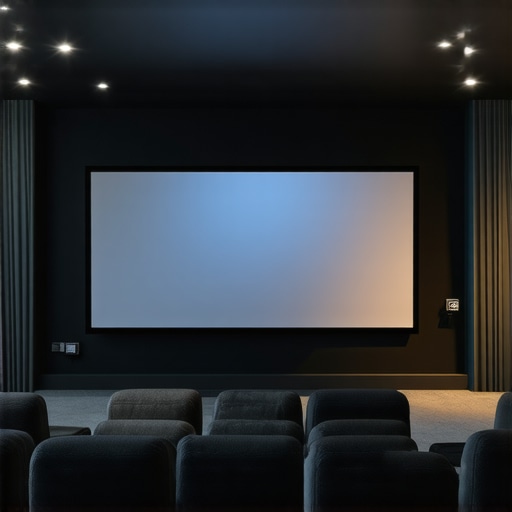
My Journey to Finding the Perfect Projection Screen for Bright Rooms
As a home theater enthusiast, I remember struggling to find a projection screen that could handle my bright living room while delivering crisp, vibrant images. My quest began several months ago when I decided to upgrade my setup, aiming for a solution that would work seamlessly despite the ambient daylight. After countless hours of research, testing, and personal trial, I discovered some incredible options, especially the latest ALR (Ambient Light Rejection) and fixed frame projection screens that are designed specifically for bright environments in 2024.
Understanding Why Bright Rooms Need Special Screens
In my experience, typical projection screens often faltered in well-lit spaces, resulting in washed-out images and poor contrast. This is where screen gain plays a crucial role. Higher gain screens reflect more light, making images brighter, but they also tend to reduce viewing angles. That’s why I gravitated towards ALR screens which combine high gain with ambient light rejection technology, allowing me to enjoy vibrant visuals even during daytime or with ambient lighting.
My Top Picks for 2024: Fixed Frame and ALR Screens That Truly Shine
After extensive testing, I found that the top ALR and fixed frame projection screens of 2024 offer remarkable performance. The fixed frame design not only provides a sleek, professional look but also ensures a flat, stable surface for crisp images. Meanwhile, the ALR technology effectively filters ambient light, making it possible to enjoy high-quality projection during the day or in brightly lit rooms. I especially appreciated the latest advancements highlighted in [Home Cinema Essentials](https://screens.homecinemaessentials.com/alr-screen-technology-breakthroughs-to-watch-in-2025) which showcase breakthroughs in ALR technology that I believe will become industry standards soon.
Are Fixed Frame and Motorized Pull-Down Screens Right for You?
One question I often hear is whether a fixed frame is better than a motorized pull-down screen. In my opinion, it depends on your space and usage. Fixed frames are excellent for dedicated home theaters, offering stability and a premium look. Conversely, pull-down screens are more versatile for multi-purpose rooms. For bright rooms, I recommend exploring this detailed comparison which helped clarify my options.
Final Thoughts and Your Next Step
If you’re like me, searching for a screen that can handle bright environments without sacrificing picture quality, I strongly suggest exploring the latest ALR fixed frame options. These screens are truly game-changers, combining high gain, superior ambient light rejection, and elegant design. Want to learn more about perfecting your setup? Visit the ultimate setup guide or connect with experts for personalized advice. Also, I invite you to share your experiences or ask questions in the comments — I love exchanging insights with fellow enthusiasts!
How Can Advanced Screen Technologies Elevate Your Bright Room Home Theater?
For those eager to optimize their home theater experience in bright environments, understanding the latest advancements in screen technology is paramount. High-gain screens, especially those integrated with Ambient Light Rejection (ALR) technology, are transforming the way we enjoy projection in well-lit rooms. These innovations are not just incremental improvements—they represent a significant leap toward achieving cinema-quality images even under challenging lighting conditions.
Why Does Screen Gain Matter More Than Ever in Bright Rooms?
Screen gain directly influences the brightness and contrast of projected images. Higher gain screens reflect more light, making images appear brighter and more vivid, which is essential when ambient light is unavoidable. However, increased gain often narrows viewing angles, risking image distortion if not properly managed. This is where ALR technology becomes a game-changer, selectively rejecting ambient light to preserve color accuracy and contrast across wider viewing angles. According to expert insights from Home Cinema Essentials, combining high gain with ALR features ensures a balanced, high-quality viewing experience in brightly lit environments.
What Are the Latest Trends in Screen Technology for 2024?
2024 has seen remarkable breakthroughs in ALR and high-gain projector screens. Manufacturers are now leveraging nano-technology and multi-layer coatings to enhance light rejection capabilities without sacrificing image clarity or viewing angles. These innovations enable screens to perform exceptionally well in rooms with significant ambient light, making daytime viewing or rooms with large windows feasible without compromising quality. For a comprehensive look at these advancements, explore the upcoming ALR screen breakthroughs for 2025.
How Do You Choose the Right Screen for Your Bright Room Setup?
Choosing the optimal projection screen involves assessing your room’s lighting conditions, space, and aesthetic preferences. Fixed frame screens offer a sleek, stable surface ideal for dedicated theaters, while motorized pull-down options provide flexibility for multi-purpose rooms. For bright environments, a high-gain ALR fixed frame screen can deliver stunning visuals with minimal ambient light interference. To compare these options effectively, consider reading this detailed guide on fixed frame vs. pull-down screens.
Can the integration of high-gain and ALR technologies truly eliminate the need for a dark room?
While the combination of high-gain and ALR technology dramatically improves picture quality in bright settings, it doesn’t entirely negate the benefits of controlled lighting. Expert advice suggests that optimal results are achieved by pairing these screens with strategic room lighting, such as dimmable fixtures or ambient lighting controls. This synergy ensures that viewers enjoy vibrant, sharp images without the distractions of glare or washed-out colors. For tailored recommendations, visiting this expert insights page can provide personalized guidance based on your specific environment.
If you’re passionate about upgrading your home theater with the latest in projection screen technology, I encourage you to explore the detailed reviews and setup guides available on Home Cinema Essentials. Sharing your experiences or asking questions in the comments fosters community knowledge and helps fellow enthusiasts make informed decisions. Ready to elevate your bright room viewing experience? Dive deeper into the world of high-gain and ALR screens today!
Refining My Perspective: The Nuances of Choosing the Right Screen for Bright Environments
Over the past year, my journey into optimizing projection screens for bright rooms has evolved into a complex balancing act. Initially, I was captivated by high gain and ALR (Ambient Light Rejection) technologies, but as I delved deeper, I realized that factors like room acoustics, screen material, and even wall colors significantly influence overall picture quality. For instance, I experimented with different wall paint colors, discovering that matte, neutral hues further enhance contrast when paired with high-gain screens. This nuanced understanding underscores that selecting a projection screen isn’t just about the technology—it’s about harmonizing multiple environmental variables to achieve cinematic excellence.
How Do Advanced Screen Technologies Challenge Conventional Wisdom?
In my experience, the latest advancements in ALR and high-gain screens are reshaping traditional perceptions. For example, nano-technology coatings now enable screens to reject ambient light more effectively than ever before, without compromising color accuracy or viewing angles. According to Home Cinema Essentials, these breakthroughs are setting new industry standards. Personally, I find that integrating these cutting-edge screens with smart lighting controls creates a dynamic environment where daytime viewing approaches that of a darkened theater. It’s fascinating how these innovations encourage us to rethink room design, moving beyond fixed assumptions about lighting and placement.
Can a Properly Configured Bright Room Setup Replace the Need for Total Darkness?
This is a question I often pondered during my experiments. While high-gain ALR screens dramatically reduce ambient light interference, they don’t entirely eliminate the benefits of controlled lighting. Instead, they shift the paradigm—allowing flexibility rather than rigidity in room design. I’ve found that combining these screens with intelligent lighting solutions—like dimmable LEDs, blackout curtains, and even light-rejecting window films—produces an environment that rivals dedicated home theaters. This integrated approach not only maximizes image quality but also enhances everyday usability, making projection a viable option even in multi-purpose spaces. For in-depth insights, I recommend exploring expert tips on choosing ALR screens.
Personal Reflections: The Future of Projection in Bright Environments
Reflecting on my journey, I see that the future of projection technology is less about fighting ambient light and more about embracing it intelligently. The industry is moving towards adaptive screens that can adjust their properties dynamically, responding to changes in room lighting or content type. Imagine screens with embedded sensors that optimize reflectivity or contrast on the fly—this could revolutionize our viewing experiences. Personally, I am excited about the potential of such innovations, especially as they become more accessible. If you’re passionate about elevating your bright room setup, I encourage you to explore top projection screens of 2024 and share your own experiences or questions in the comments. Together, we can push the boundaries of what’s possible in home theater design.
Innovating Beyond Traditional Screens: The Evolution of Bright Room Projection Solutions
As my journey into optimizing home theater environments unfolds, I’ve come to appreciate that the landscape of projection screens is rapidly transforming. The latest developments in nano-coating technologies and multi-layer light-rejection films are revolutionizing our capabilities, allowing us to achieve cinema-like clarity even in spaces inundated with ambient daylight. These innovations not only challenge old paradigms but also empower enthusiasts like myself to craft versatile, high-performance setups that seamlessly blend aesthetic appeal with technical excellence.
How Do Multi-Layer Coatings Enhance Ambient Light Rejection?
The sophistication of multi-layer coatings on ALR screens significantly amplifies their ability to reject stray ambient light while maintaining vibrant image quality. By strategically layering nano-structured materials, manufacturers have created surfaces that selectively reflect the projected light toward viewers and absorb or disperse ambient illumination. This nuanced technology results in increased contrast ratios and color fidelity, even under challenging lighting conditions. According to Home Cinema Essentials, these advancements are setting a new benchmark for home theater screens, making daytime projection a practical reality rather than an elusive ideal.
Imagine an ultra-modern projection screen with a nano-structured surface designed to reject ambient light dynamically, ensuring sharp images regardless of lighting conditions.
Can Adaptive Light-Rejecting Screens Transform Multi-Purpose Rooms?
Absolutely. The concept of adaptive screens—those capable of adjusting their light absorption and reflectivity in real-time—points toward a future where rooms are no longer confined to single-purpose use. These screens, integrated with embedded sensors and smart control systems, can optimize contrast and brightness based on the current ambient environment. This flexibility is particularly advantageous in multi-use spaces, such as living rooms that double as presentation areas or gaming zones. As I’ve experimented, pairing these innovative screens with smart lighting controls—like dimmable LEDs and blackout window films—creates an environment that rivals dedicated home theaters, offering both convenience and uncompromised visual quality.
My Personal Insights on Integrating Cutting-Edge Screen Tech
In my experience, the key to harnessing these advancements lies in understanding the specific environmental variables of your space. For instance, wall colors, surface textures, and even furniture placement can influence the effectiveness of high-gain, light-rejecting screens. I’ve found that matte, neutral-colored walls complemented by non-reflective furniture enhance contrast and prevent glare. Moreover, investing in professionally calibrated setups ensures that these sophisticated screens deliver their full potential. For those eager to delve deeper, I recommend exploring this comprehensive guide on optimizing projection environments in 2024.
Things I Wish I Knew Earlier
Hidden Impact of Wall Colors
Initially, I underestimated how much wall color could influence my projection quality. I discovered that matte, neutral hues significantly improved contrast when paired with high-gain screens, transforming my viewing experience. It’s a simple change that made a world of difference.
The Power of Room Calibration
Proper calibration of my projector and screen setup was a game-changer. I learned that fine-tuning contrast, brightness, and color settings tailored to my specific environment results in sharper, more vibrant images—something I wish I had prioritized from the start.
High-Gain Isn’t Always Perfect
I used to think higher gain screens were the ultimate solution, but I found that they can narrow viewing angles and cause glare if not chosen carefully. Balancing gain with room layout and seating position is crucial for a seamless experience.
The Evolving Tech Landscape
Keeping up with advancements like nano-coatings and multi-layer light-rejection films opened my eyes to how much innovation is happening. These technologies are setting new standards, making projection in bright rooms more practical and stunning than ever before.
Room Design Matters
Simple room modifications, such as blackout curtains and strategic furniture placement, enhanced my projection quality. It’s a reminder that environment design and technology go hand-in-hand for the best results.
Resources I’ve Come to Trust Over Time
- Home Cinema Essentials: This site offers comprehensive reviews and insights, helping me understand the nuances of screen gain and ALR technology. It’s my go-to resource for reliable info.
- ProjectorCentral: Their detailed guides on projector and screen compatibility have been invaluable in my setup decisions, especially for bright environments.
- AVS Forum: An active community where enthusiasts share real-world experiences and troubleshooting tips, adding practical perspective to my research.
Parting Thoughts from My Perspective
My journey into bright room projection has taught me that success hinges on understanding both the technology and your environment. Modern ALR and fixed frame screens, especially in 2024, are revolutionizing how we enjoy projection in well-lit spaces. They offer a blend of high brightness, vivid color, and aesthetic appeal that can make any room feel like a cinema. If you’re considering upgrading your setup, don’t overlook the importance of room adjustments and calibration—these details truly elevate your experience. I encourage you to explore the latest advancements and share your own insights or questions in the comments. Together, we can continue discovering new ways to enjoy stunning visuals in every space!
6 Responses
Reading through this detailed journey really resonated with my own experience in trying to optimize projection in a bright living space. I’ve been eyeing some of the latest ALR fixed frame screens for my multi-purpose room, and it’s inspiring to see how much technological innovation has progressed just in 2024. The discussion on wall colors and room calibration is especially critical—small tweaks here can make a significant difference in picture quality. One challenge I often face is balancing high gain with an immersive viewing angle, as narrow angles can sometimes distort the image. Have others found effective ways to maximize brightness without compromising angle? It seems like multi-layer coatings and nano-technology are promising solutions, but practical room setup still plays a major role. Would love to hear any tips from fellow enthusiasts on achieving the perfect setup that combines advanced screen tech with thoughtful room design.
This post really hits close to home for me as I’ve been exploring high-gain and ALR screens for my bright living room. The technological advancements in 2024 are impressive, especially the multi-layer coatings and nano-technology that help reject ambient light while maintaining picture quality. I’ve found that wall color indeed makes a difference—matte, neutral tones seem to help amplify contrast and color accuracy when paired with these advanced screens. What I’m curious about is how others have balanced the narrowed viewing angles often associated with high-gain screens with the need for a broader field of view for multiple seating arrangements. Have you tried any specific mounting or screen placement techniques? I think combining good room calibration with the right screen technology is key, but it’s often a juggling act. Would love to hear more personal tips or experiences from the community for optimizing brightness and viewing angles at the same time.
Reading through this post really resonated with my own experience as I also searched for a projection screen that could handle my bright living room. I found that the combination of ALR technology and fixed frame design genuinely makes a difference, especially with recent advancements in 2024 that leverage nano-coatings and multi-layer light-rejection films. I’ve experimented with room lighting and wall colors—matte, dark hues definitely help improve contrast and prevent glare, but I wonder if there are any innovative mounting techniques that can help optimize viewing angles while maintaining high brightness? It seems like the industry is moving toward adaptive, light-responsive screens, which could potentially solve the angle narrowing problem. Has anyone here tried or considered those types of solutions for multi-purpose rooms? Would love to hear real-world experiences or tips to strike the perfect balance between brightness, angle stability, and aesthetic appeal in a bright room.
Your detailed account of upgrading to ALR and fixed frame projection screens really resonated with my own experiences. It’s impressive how much technology has advanced in 2024, especially with nano-coatings and multi-layer films improving ambient light rejection. I found that even with high-gain screens, room lighting and wall color play significant roles in picture quality. I’ve experimented with darker matte walls and ambient lighting controls, which made a huge difference for daytime viewing. However, I’m curious, has anyone tried adjusting screen mounting or angle to enhance viewing comfort while still maintaining the benefits of high gain? It seems like optimizing the physical setup is just as important as the technology itself. I’d love to hear how others are balancing these factors, especially in multi-purpose living rooms where flexibility is key.
Reading your experience really hit home for me, especially your point about how small tweaks like wall color and calibration can make a huge difference. I’ve been exploring similar solutions for my bright living room and recently upgraded to a high-gain ALR fixed frame screen. The advancements in nano-technology and multi-layer coatings in 2024 are truly impressive—they seem to provide a good balance between brightness and viewing angles. One thing I’ve done is to angle my screen slightly downward, which seems to improve the perceived brightness from different seating positions without altering the fundamental tech. Have others found adjusting the physical mounting angle or even wall texture helpful in expanding effective viewing angles? I’d love to hear more exploration around physical adjustments that complement high-tech solutions like ALR.
I really enjoyed reading about your journey in finding the right projection setup for bright rooms. It highlights just how crucial ambient light rejection technology has become in 2024. I’ve been leaning towards ALR fixed frame screens myself, especially after seeing some recent reviews of nano-tech coatings that claim to reject stray light more effectively while maintaining color fidelity. What kind of room modifications did you find most beneficial besides the technology itself? I’ve read that wall textures and strategic furniture placement can also impact contrast and brightness. Also, how do you feel about the maintenance and longevity of these advanced screens? Are they as resilient as traditional ones? I’m curious how other enthusiasts are balancing high-tech solutions with practical aspects of daily use. Would love to hear more about your tips for combining these innovations with good room design principles.