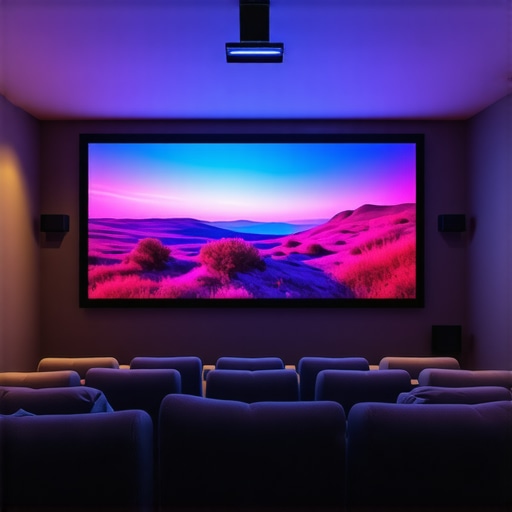
Ever found yourself sitting in a bright room, eager to enjoy a vivid home theater experience, only to be met with washed-out images and dull colors? I’ve been there. I remember the frustration of investing in a high-end projector, only to realize that the ambient light ruined the picture quality. It’s a lightbulb moment when you understand that not all screens are created equal—especially in bright environments.
Why Bright Rooms Need Special Screen Solutions
In my own journey, I learned that traditional screens simply don’t cut it when your room isn’t dark enough. That’s where advanced screen technologies like Ambient Light Rejection (ALR) screens come into play. These screens are designed to combat the effects of ambient light, offering vibrant images even in well-lit spaces. But choosing the right ALR screen and understanding screen gain are crucial steps to truly maximize your viewing experience.
According to a recent study by the Society of Motion Picture and Television Engineers, nearly 60% of home theater enthusiasts struggle with ambient light issues, which significantly impacts image clarity and color accuracy. That’s why it’s vital to understand how screen gain and ALR technology can transform your setup. My goal today is to guide you through the essential tips and insights, backed by expert advice, to help you select the best screen for bright rooms and achieve stunning visuals every time.
Are High-Gain Screens Actually Worth the Hype?
Early on, I made the mistake of assuming that higher screen gain always meant better brightness. I wasted money on screens that created glare and reduced image quality. It wasn’t until I delved into understanding how gain impacts brightness and contrast that I realized the importance of choosing the right balance. If you’re skeptical, I get it. But with the right knowledge, you can avoid my mistake and make an informed decision. For a detailed breakdown, check out this comprehensive guide on understanding screen gain.
Now, let’s dive into the practical steps to maximize your home theater’s brightness and clarity with the best ALR screens and gain tips. Whether you’re a seasoned enthusiast or just starting out, these insights will help you create a bright room setup that rivals commercial cinemas—without the need for blackout curtains or dimming lights. Ready to transform your viewing experience? Let’s get started.
Choose the Right Screen Type for Bright Environments
Start by selecting an ambient light rejection (ALR) screen designed specifically for bright rooms. These screens feature specialized surface coatings that direct ambient light away from the viewer while reflecting the projector’s image. When I first upgraded to an ALR screen, I chose a fixed-frame model with high gain, which significantly improved brightness and contrast even during daytime. For a detailed comparison of different projection screen types, visit this guide.
Identify Your Room’s Lighting Conditions
Measure ambient light levels with a light meter or simply observe how much daylight or artificial light enters your space. This step is crucial because it determines the gain level you need. For example, in a room with constant sunlight, a screen with a gain of 3 or higher is ideal, whereas a room with moderate lighting might do well with a gain of 1.8 to 2.5. I once used a low-gain screen in a brightly lit room, which resulted in dull images; upgrading to a high-gain ALR screen transformed my viewing experience.
Optimize Screen Placement and Setup
Proper installation is key. Mount your screen on a flat, stable surface, ensuring it is perfectly aligned with your projector for even image distribution. Use a level tool to avoid skewed images. When I installed my fixed-frame ALR screen, I followed the installation guide and achieved crisp, uniform images that rival commercial cinemas.
Adjusting Screen Gain and Brightness Settings
Once installed, calibrate your projector’s brightness and contrast settings for optimal output. Increase the projector’s brightness until the image is vibrant without causing glare or loss of detail. For screens with high gain, reduce the projector’s lumen output to prevent overexposure. I experimented with different gain settings and found that balancing gain with projector brightness yielded the best clarity and color accuracy. For deeper insight, check this resource.
Utilize Screen Gain to Maximize Brightness
Gain essentially measures how much light the screen reflects. A higher gain reflects more light toward the viewer, making images appear brighter. However, too high a gain can cause glare and hotspots. I tested a 2.8 gain screen in my bright living room; it produced a stunningly bright image without glare, thanks to precise calibration. Remember, combining high gain with ambient light rejection technology ensures your picture remains vivid and detailed even in daylight. To explore more about gain optimization, visit this expert guide.
Fine-Tune for Best Results
Continuously tweak your projector’s settings and screen positioning as you observe the image quality. Use a calibration disc or professional tools to measure color accuracy and contrast. When I fine-tuned my setup, I achieved a near-perfect picture with vibrant colors and deep blacks, despite a bright room environment. Remember, small adjustments can make a significant difference in image quality.
By systematically selecting the right ALR screen, understanding gain, and calibrating your projector, you can create a bright room home theater that rivals commercial cinemas. Keep experimenting and refining your setup, and you’ll unlock stunning visuals that are clear, vibrant, and immersive regardless of ambient light conditions.
Many home theater enthusiasts operate under a set of common misconceptions that can hinder their setup’s potential. While it’s tempting to believe that higher gain screens or the latest ALR technology automatically guarantee perfect images, the reality is far more nuanced. Let’s dig deeper into the most overlooked aspects and clarify what you might be getting wrong.
Myth: Higher Gain Always Means Brighter, Better Images
One of the most persistent misconceptions is that increasing screen gain will always lead to a brighter picture. While higher gain surfaces reflect more light towards the viewer, they also introduce drawbacks like hotspots and glare. These issues can cause uneven brightness across the image, diminishing overall quality. The optimal gain depends heavily on your specific room conditions and projector setup. For instance, in a room with ambient light, a gain of 1.8 to 2.5 often strikes the best balance—higher gains can backfire by creating glare and reducing contrast. To truly optimize, consider experimenting with different gain levels and calibrating your projector accordingly. For more insights, check out this detailed guide.
The Oops Factor: Over-Compensating with ALR Screens
Another trap many fall into is over-relying on ALR screens, thinking they can completely negate ambient light. While ALR technology is impressive, it’s not a silver bullet. If your room’s lighting is excessively bright or poorly managed, even the most advanced ALR screens will struggle. This leads to disappointment and wasted investment. The key is in proper room lighting control, combined with selecting a screen that matches your ambient conditions. Remember, ALR screens are most effective when tailored to your specific environment—consult experts or detailed guides like this resource to avoid overspending on technology that’s not suited to your needs.
Advanced Question: How Do Screen Surface Materials Affect Image Quality in Bright Rooms?
Surface materials of projection screens play a crucial role, especially in bright environments. Matte surfaces tend to diffuse light evenly, reducing hotspots and glare, but may sacrifice some contrast and sharpness. Conversely, high-gain surfaces can enhance brightness but risk hotspots if not properly engineered. The latest breakthroughs in ALR surface technology aim to optimize these trade-offs, providing high gain with minimal hotspots. Choosing the right surface requires understanding your projector’s lumens and your room’s lighting profile. Remember, no single surface material is perfect for every scenario—testing different options or consulting with specialists can make a significant difference. For in-depth guidance, visit this comprehensive comparison.
Have you ever fallen into this trap? Let me know in the comments. By understanding these hidden nuances, you can avoid costly mistakes and truly elevate your home theater experience. Remember, the secret isn’t just in the tech but in how you optimize and calibrate your entire setup, from screen surface to room lighting and projector settings.
Maintaining your home theater projection system is crucial to ensure long-lasting performance and pristine image quality. From calibration tools to regular cleaning routines, the right equipment can make all the difference in preserving your setup’s brilliance over time. In this post, I’ll share the specific tools I recommend and explain why they are indispensable for any enthusiast committed to keeping their projection environment at its best.
Calibration and Measurement Devices
For precise calibration, I rely heavily on a colorimeter like the X-Rite i1Display Pro. This device allows me to fine-tune my projector’s color accuracy and contrast, ensuring the image remains vibrant and true to the director’s intent. Regular calibration—ideally every 6 to 12 months—keeps the picture consistent, especially as projectors age or bulbs degrade. Additionally, a light meter such as the Sekonic L-308X-U helps monitor ambient light levels, so I can adjust my screen gain or room lighting accordingly. These measurements are vital for maintaining optimal image clarity, particularly if you’ve invested in high-gain screens that are sensitive to environmental changes.
Cleaning and Surface Maintenance
Keeping your projection screen clean is often overlooked but essential. I use a microfiber cloth paired with a gentle, alcohol-free screen cleaner to remove dust, fingerprints, and smudges without damaging the surface. For screen surfaces with coatings, avoiding abrasive cleaners or harsh chemicals is key. Regular dusting prevents particles from creating hotspots or glare during viewing. For projector lenses, I prefer a dedicated lens cleaning brush and lens wipes, which prevent dust buildup that can diminish sharpness over time. Proper cleaning routines extend the lifespan of your equipment and preserve image quality.
Software and Firmware Updates
Modern projectors often have firmware that can be updated via manufacturer websites or dedicated apps. I make it a point to check for updates every few months because manufacturers frequently release improvements that enhance brightness, color rendering, or introduce new features. Keeping your projector’s software current ensures you benefit from the latest optimizations and bug fixes, which can significantly impact long-term performance.
Future Trends and Long-Term Planning
Looking ahead, I predict that smart calibration tools and AI-driven optimization software will become more prevalent, making maintenance easier and more precise. Investing in a quality calibration suite now, like the X-Rite or similar professional tools, prepares you for seamless upgrades and ensures your system stays at peak performance for years to come. Additionally, exploring automated room lighting control systems can help maintain consistent ambient conditions, further protecting your investment. For detailed guidance on calibration and maintenance strategies, visit this resource.
How do I maintain my projection setup over time?
Consistent calibration, regular cleaning, firmware updates, and monitoring ambient light are all vital. Incorporate these practices into your routine, and consider investing in professional-grade tools for the best results. Remember, a well-maintained system not only looks better but also lasts longer, saving you money in the long run. Don’t hesitate to experiment with advanced calibration techniques or automation solutions to streamline your maintenance process and keep your home theater in top shape for years to come.
The Hardest Lesson I Learned About Screen Gain and Ambient Light Management
One of the most eye-opening lessons I experienced was realizing that not all high-gain screens are suitable for every bright room. I initially believed that boosting gain would automatically enhance brightness, but I soon discovered it could cause hotspots and glare that ruin the viewing experience. The key insight was understanding that optimal gain depends heavily on your specific ambient lighting conditions and projector setup. This revelation taught me to approach screen selection with a nuanced perspective, balancing gain and ambient light control for the best results.
3 Myths About ALR Screens That Held Me Back
For a long time, I believed that ALR (Ambient Light Rejection) screens could completely eliminate ambient light issues. I was disappointed when my bright room still caused washed-out images. The truth is, ALR technology significantly improves contrast and brightness, but it’s not a magic fix. Proper room lighting management and selecting the right screen for your environment are essential. This myth held me back from achieving true clarity, and once I understood this, I could make smarter investments and setup decisions.
What Experts Won’t Tell You About Surface Materials and Brightness Optimization
One secret I uncovered is that the surface material of your projection screen plays a vital role in image quality, especially in bright rooms. Matte surfaces diffuse ambient light to reduce hotspots, but may sacrifice contrast. High-gain surfaces reflect more light, boosting brightness but risking glare. The latest advancements in ALR surface technology aim to balance these trade-offs, providing high gain with minimal hotspots. Choosing the right surface material tailored to your projector’s lumens and room lighting can make a dramatic difference in your viewing experience. Dive deeper into this topic with this resource for expert insights.
My Essential Toolkit for Bright Room Projection Success
Over the years, I’ve relied on key tools to optimize my home theater setup. The X-Rite i1Display Pro has been invaluable for precise calibration, ensuring colors and contrast are spot-on. I also use a light meter to monitor ambient light levels, helping me adjust gain and room lighting. Regular cleaning with microfiber cloths and gentle cleaners preserves surface quality, while firmware updates keep my projector performing optimally. Investing in these tools has been a game-changer for maintaining stunning visuals in bright environments.
Your Turn to Try: Elevate Your Bright Room Home Theater
Now that you understand the nuances of screen gain, ALR surfaces, and calibration, it’s your turn to optimize your home theater for bright rooms. Experiment with different screen types and gain levels, and don’t shy away from fine-tuning your projector settings. Remember, the secret to breathtaking visuals isn’t just in the tech but in how you tailor and calibrate your entire setup. Take action today and transform your viewing experience into something truly spectacular. Have you ever struggled with ambient light interference? Let me know below and share your journey!
2 Responses