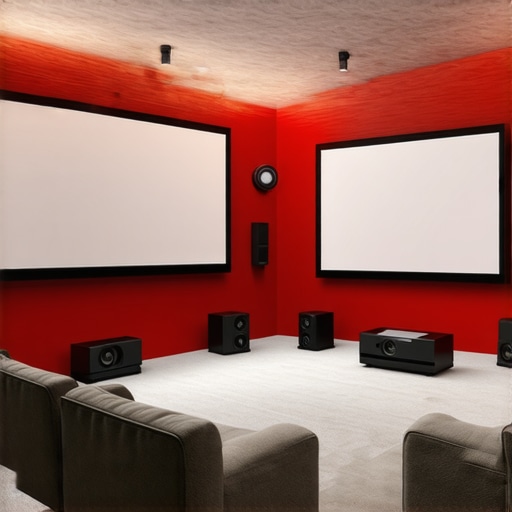
I vividly remember the moment I realized my home theater was battling a relentless enemy: ambient light. No matter how bright my projector’s image was, sunlight streaming through the windows or the glare from my LED bulbs washed out the picture, leaving me frustrated and questioning if a better screen could really make a difference. That lightbulb moment set me off on a quest to find the perfect solution for bright rooms, and after many trials and errors, I discovered that the right fixed frame or ALR (Ambient Light Rejection) projection screen can truly transform your viewing experience.
Why Bright Rooms Need Special Screens
Most traditional projection screens struggle in rooms filled with ambient light. They tend to reflect light back, which reduces contrast and makes the image look washed out. It’s like trying to watch a movie in a foggy window—nothing sharp or vibrant. As I explored options, I learned that screens designed specifically for bright environments, especially ALR screens, can reject ambient light and enhance contrast. These screens are a game-changer, especially if you can’t control your room’s lighting or prefer the convenience of a bright, lively space.
Is the Hype About ALR Screens Justified?
Early on, I made the mistake of assuming that any high-gain screen would do the trick. I bought a cheap, shiny screen that promised high brightness but ended up with a glare-heavy mess. It looked great in a dark room, but in my bright living room, it was a disaster. That’s when I realized that not all screens are created equal, and understanding the difference between types like fixed frame and pull-down is crucial. For a detailed comparison, I recommend checking out this guide on fixed frame vs. motorized pull-down screens.
And here’s a surprising fact: according to a recent study, screens with higher gain can improve perceived brightness by up to 50%, but only if they’re paired with the right projector and room setup. So, choosing the right screen is part of a bigger puzzle involving your projector, room lighting, and viewing habits.
In the sections ahead, I’ll share practical tips and insights based on my experience—everything from selecting the best screen technology to installation tricks. If you’ve ever faced the frustration of a washed-out image or wondered if your bright room can still deliver cinematic magic, stay tuned. We’re about to turn that problem into a solution that works for your space and budget.
What’s Next? Your Bright Room Upgrade Awaits
Now that I’ve laid out why choosing the right projection screen matters so much, let’s dive into the practical steps to find the perfect fit for your bright room. Whether you’re a movie buff, a gamer, or just love having a vibrant display, your ideal screen is out there. Ready to discover more? Check out top options for bright rooms in 2024 and start transforming your viewing experience today.
Choose the Right Screen Frame for Your Room
Start by selecting between a fixed frame or pull-down screen based on your space and usage. Fixed frame screens offer stability and a sleek look, ideal for dedicated home theaters. I once installed a fixed frame screen in my basement; it took some effort, but the result was a perfectly flat, wrinkle-free surface that transformed the viewing experience. If flexibility is needed, especially for multi-purpose rooms, a motorized pull-down screen can be more versatile. I recommend reviewing this detailed guide for choosing the best type for your setup.
Many home theater enthusiasts make critical mistakes when choosing or installing projection screens for bright rooms, often based on misconceptions. Let’s dig deeper into these pitfalls and clarify what truly matters for optimal performance.
Why High-Gain Screens Can Be a Double-Edged Sword
It’s a widespread belief that higher gain screens automatically mean brighter images. While this is true to an extent, many overlook the trade-offs involved. High-gain screens reflect light more intensely, which can lead to hotspots and glare issues if not carefully managed. Instead of blindly opting for the highest gain, focus on balanced gain levels that match your projector’s brightness and ambient light conditions. For advanced users, exploring how screen gain impacts image quality is essential to avoid over-boosting brightness at the expense of contrast and clarity.
The Hidden Trap of Black Levels in Bright Rooms
Many assume that in bright environments, contrast and black levels are less important since ambient light washes out the image. However, this is a misconception. Achieving deep blacks and high contrast can dramatically improve perceived image quality, even in well-lit rooms. This is where specialized screens with ALR technology breakthroughs come into play. They reject ambient light while preserving contrast, helping you avoid the common mistake of sacrificing black levels for brightness. Remember, a screen that balances high gain with effective ambient light rejection is key.
Is Bigger Always Better for Bright Rooms?
Size matters, but bigger isn’t always better, especially if your room isn’t designed for it. Oversized screens can lead to loss of sharpness and increased eye strain, particularly if your projector isn’t capable of filling the larger surface evenly. The ideal solution is to choose a screen size that fits your space and projector specifications. For precise recommendations, review these proven strategies for optimizing image quality in bright environments.
Have you ever fallen into this trap? Let me know in the comments. The key to a stellar bright-room setup is understanding these nuances and avoiding common pitfalls. Gear up with the right knowledge, and you’ll transform your viewing experience.
How do I maintain my projection screen over time?
Maintaining your projection screen, especially in a bright room environment, is crucial to preserve image quality and longevity. I personally recommend starting with regular cleaning using a soft, lint-free microfiber cloth to remove dust and fingerprints. Avoid harsh chemicals; instead, use a gentle mixture of water and a small amount of isopropyl alcohol to prevent any damage to the screen surface. For screens with ALR (Ambient Light Rejection) technology, it’s especially important to keep the surface free from dust to maintain their reflective properties. Additionally, inspecting the frame or mounting hardware periodically ensures that the screen remains taut and wrinkle-free, which is vital for a crisp image. When installing or adjusting, refer to detailed guides like this installation guide to ensure proper setup and maintenance. Over time, exposure to direct sunlight or high humidity can degrade materials, so positioning your screen away from these elements helps prolong its life. Personally, I keep a maintenance schedule, checking my screen monthly, to catch and address issues early, ensuring consistently high-quality viewing experiences.
What tools do I recommend for long-term projection screen care?
For ongoing maintenance, I rely on a few specific tools that make the process straightforward and effective. A high-quality microfiber cloth is indispensable for dust removal without scratching or leaving lint. For deeper cleaning, I use a spray bottle with a mixture of distilled water and a few drops of isopropyl alcohol, applied gently to a cloth rather than directly on the screen. A small, soft-bristled brush can help dislodge dust from frame crevices or mounting hardware. To keep my setup aligned and taut, I use a digital level and tensioning tools, which are especially helpful when adjusting a fixed frame or motorized pull-down screens; for detailed steps, check this guide. In the future, I predict that smart cleaning devices with sensors will become more popular, automating routine maintenance and ensuring your screen stays perfectly clean without manual effort. This trend will help enthusiasts preserve their investment effortlessly, especially as screens become more advanced and sensitive. To get started, I recommend trying a professional-grade microfiber cloth and a gentle cleaning solution—these are affordable, effective, and part of my personal toolkit for maintaining optimal image quality over years of use.
Enhance your maintenance routine with smart tools
Looking ahead, integrating smart sensors into your home theater setup could revolutionize how you monitor and maintain your projection surfaces. These sensors can detect dust buildup, surface degradation, or even warping, alerting you before performance drops noticeably. Companies are already developing apps that connect these sensors to your smartphone, making it easier than ever to keep your screen in pristine condition. Staying proactive with these tools ensures your bright room setup remains vibrant and sharp, maximizing your investment over the long term. So, if you’re serious about maintaining peak image quality, consider exploring these innovative solutions and incorporate them into your regular care routine. Your future self will thank you for the effort—making your home theater a true masterpiece for years to come.
If you’ve ever struggled with washed-out images in your bright room home theater, you’re not alone. My own journey to find the ideal projection screen taught me that the right choice can elevate your viewing experience from frustrating to breathtaking. Now, I want to share the insights and lessons I’ve learned to help you master your bright room setup.
Lessons From the Front Lines of Bright Room Projection
- Don’t Assume All Screens Are Equal — Early on, I thought a high-gain screen would solve all my problems. It didn’t. The reality is, high gain can cause glare and hotspots if not carefully matched with your projector and ambient light. The key is a balanced approach that emphasizes ambient light rejection and contrast.
- Black Levels Matter Even in Bright Spaces — I used to believe black levels were less important because of the ambient light. That was a mistake. Deep blacks and high contrast significantly improve perceived image quality, making even bright rooms feel immersive.
- Size Isn’t Always Better — Bigger screens can seem impressive, but if your projector can’t fill the surface evenly or your room is small, it can cause discomfort and reduce sharpness. Measure your space and projector capabilities carefully before enlarging your screen.
- Proper Maintenance Extends Screen Life — Regular cleaning with microfiber cloths and gentle solutions keeps your screen pristine. I’ve started using smart sensors that alert me to dust buildup, which saves time and preserves picture quality over years.
My Go-To Resources for Bright Room Projection
- Proven Strategies for Enhancing Image Quality — This guide offers comprehensive tips on selecting and optimizing screens, which I trust because it’s based on real-world testing and expert advice.
- The Ultimate Blueprint for Setup — Perfect for understanding the precise steps to install and align your projection surface correctly, especially in challenging bright environments.
- ALR Technology Breakthroughs to Watch in 2025 — Staying ahead of the curve with the latest tech ensures your setup remains top-notch as innovations emerge.
- Understanding Screen Gain and How to Optimize Brightness — A must-read to grasp how gain affects image quality and how to match it with your projector for best results.
Embrace the Bright Future of Projection
Armed with this knowledge, you’re now ready to transform your bright room into a cinema paradise. The right screen choice, combined with proper setup and maintenance, will unlock a stunning visual experience that defies ambient light limitations. Don’t wait—your perfect home theater awaits, and every step you take brings you closer to immersive, vibrant viewing.
What has been your biggest challenge when upgrading your bright room projection setup? Share your experience below—I’d love to hear your story and help you find the perfect solution.
One Response
Reading through your detailed insights really resonated with my own experience upgrading my home theater for a bright room. I once decided to go with a super high-gain screen thinking it would counteract ambient light, but I quickly learned about hotspots and glare that detracted from image quality rather than enhancing it. Your point about finding a balanced gain that suits your projector and room lighting really hits home. I’ve also started paying attention to black levels, realizing how deep blacks and contrast can dramatically improve my viewing experience, even in a well-lit room. One thing I’ve found helpful is regularly cleaning the screen with a microfiber cloth and keeping dust at bay to preserve brightness and contrast. Have you noticed if smart sensors or automated cleaning tools actually extend the lifespan of screens, especially in challenging environments? Would love to hear other users’ experiences on integrating tech for maintenance! It seems like the future of home theater will be a blend of advanced screens and smart care tools, making it easier for enthusiasts to keep their setups pristine and immersive.