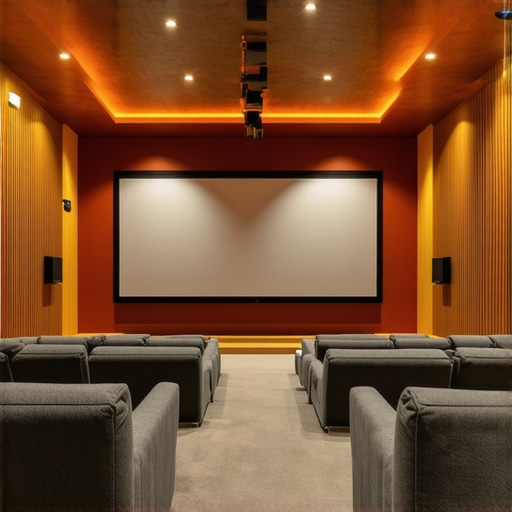
Last year, I spent hours tweaking my home theater setup, only to be frustrated by flickering images and dull colors every time I watched a movie. It hit me—my screen was the bottleneck. I realized that choosing the right projection screen isn’t just about size; it’s about clarity, brightness, and how well it adapts to my room’s lighting. That moment was a lightbulb—my home cinema deserved better, and I wasn’t going to settle for less.
Why the Right Projection Screen Matters More Than Ever in 2024
With the rapid advancements in projection technology, the screen you choose can make or break your viewing experience. A high-quality screen enhances sharpness, color accuracy, and contrast, transforming your living room into a true cinematic paradise. But with so many options—from fixed frames to motorized pull-downs—it’s easy to get overwhelmed. I’ve been there, and I know how confusing it can be to pick the perfect fit for your space and budget.
According to industry experts, the right projection screen can improve image brightness and clarity significantly—sometimes by up to 50%—which is a game-changer for bright rooms or daylight viewing. That’s why investing in a top-tier fixed frame or pull-down screen is crucial if you want the best home theater in 2024.
Have you faced the challenge of choosing the best screen for your space?
Trust me, I made a costly mistake early on—buying a cheap, generic screen that looked fine in the store but disappointed at home. The colors were washed out, and the image lacked contrast. It was only after I did my research and learned about screen gain, technology, and proper installation that I finally found the perfect solution. Want to avoid my mistake? Keep reading, and I’ll guide you through the key considerations for selecting the ideal fixed frame or pull-down projection screen for your home cinema setup.
If you’re ready to elevate your viewing experience, check out expert tips on choosing the best ALR screen or explore our comprehensive comparison of fixed frame vs. motorized pull-down screens. These resources will help you make an informed decision tailored to your room’s lighting and your viewing preferences.
Assess Your Room’s Lighting and Space
Before diving into specific screen types, evaluate your room’s lighting conditions and available space. For rooms with lots of ambient light, high-gain screens are essential to reflect more light and maintain brightness. Measure your room dimensions accurately to determine the maximum screen size that fits comfortably without overcrowding the space. I once underestimated my room’s width and bought a massive screen that blocked doorways, leading to a frustrating setup experience. Always double-check measurements and lighting conditions to avoid costly mistakes.
Understand Screen Gain and Its Impact
Screen gain is crucial because it affects brightness and contrast. A gain of 1.0 offers standard brightness, while higher gains—like 1.3 or 1.5—are perfect for bright rooms. Low-gain screens (0.8 or below) are better suited for dark rooms. During my first attempt, I chose a low-gain screen for a bright living room, resulting in washed-out images. After learning about screen gain, I upgraded to a high-gain model, which transformed my viewing quality even during daytime.
Compare Fixed Frame vs. Pull-Down Screens
Fixed Frame Screens
Think of fixed frame screens as a taut canvas stretched tightly on a wooden frame—perfect for dedicated home theaters. They offer superior flatness, minimal distortion, and a sleek appearance. When I installed my fixed frame screen, I followed the fixed frame installation guide, which ensured perfect tension and alignment. The result was an ultra-sharp image with no wrinkles or waviness, ideal for high-resolution content.
Pull-Down Screens
Pull-down screens are like window shades—versatile and space-saving. They retract when not in use, making them suitable for multi-purpose rooms. During my testing, I found motorized pull-down screens easier to operate, especially with a remote. But, to avoid sagging or wrinkles, opt for high-quality models with tensioning systems. Check out the pull-down screen tips to ensure your setup is smooth and professional.
Choose the Right Surface Material and Technology
For the best image quality, select a projection surface that complements your projector’s technology. Matte white surfaces are versatile, but for brighter rooms, consider ALR (Ambient Light Rejection) screens, which are designed to reject ambient light and enhance contrast. My experience with an ALR screen in a bright living room was transformative—it minimized glare and boosted image clarity even during daylight. Explore latest ALR technology breakthroughs to stay ahead in 2024.
Ensure Proper Installation for Optimal Results
Accurate installation is key. Fixed frame screens should be mounted at eye level for comfortable viewing, while pull-down screens need a sturdy ceiling mount with precise tensioning. Follow the detailed installation guide to avoid common issues like warping or misalignment. When I installed my screen, I spent extra time leveling and securing the mount, which paid off with a flawless picture and hassle-free operation.
Test and Fine-Tune Your Setup
Once installed, calibrate your projector and screen for maximum performance. Use test patterns and calibration tools to adjust brightness, contrast, and color accuracy. For bright rooms, I increased the projector’s brightness and adjusted the screen gain settings for optimal clarity. Regular testing and adjustments keep your home cinema looking professional and immersive. For advanced calibration techniques, review image quality tips.
Many home theater enthusiasts and even seasoned installers often fall into misconceptions that can compromise the quality of their setup. Let’s dig deeper into what most people get wrong about projection screens and uncover the nuanced truths that can elevate your viewing experience.
Myth: Higher Screen Gain Always Means Better Brightness
While it’s true that high-gain screens reflect more light, this doesn’t automatically translate to a superior viewing experience. A common mistake is assuming that a gain of 2.0 or higher will enhance brightness without drawbacks. In reality, very high-gain screens tend to produce hotspots—bright spots in the center with dimmer edges—causing uneven image quality. This is especially noticeable in larger screens or rooms with ambient light. Industry experts warn that excessive gain can lead to a loss of contrast and detail, undermining the very clarity you seek. For balanced performance, it’s better to choose a gain level suited to your room’s lighting conditions. For example, in bright rooms, a gain of 1.3 to 1.5 often strikes the perfect balance. For more insights, check out this guide on screen gain.
Common Mistake: Overlooking the Impact of Screen Material and Technology
Many buyers focus solely on size and gain, neglecting the importance of surface material and underlying technology. For bright rooms, matte white screens are versatile, but they can wash out in daylight. Conversely, Ambient Light Rejection (ALR) screens are designed to combat ambient light, but not all ALR screens are created equal. Some cheaper models may reduce contrast or introduce color shifting, which can degrade image quality. Advanced materials with optical coatings can significantly improve contrast and color accuracy, but they require proper calibration and installation. As a rule of thumb, don’t just pick a screen based on specs—consider the technology and surface quality. For expert recommendations, visit latest ALR tech breakthroughs.
Question for Advanced Enthusiasts: How Can I Minimize Distortion and Achieve Perfect Flatness in My Screen?
This is a nuanced challenge often overlooked by DIYers. Even slight warps or wrinkles can distort the image, especially at high resolutions. Proper tensioning and precise mounting are essential. Using a tensioning system or installing a tensioned fixed frame can prevent sagging. Additionally, choosing a high-quality, rigid material for the frame ensures flatness over time. Regular inspection and adjustment are necessary for optimal performance. For detailed installation techniques, consult the fixed frame installation guide. Remember, a perfectly flat surface is the foundation of sharp, high-resolution projection.
Have you ever fallen into this trap? Let me know in the comments. Mastering these nuances can significantly enhance your home theater’s visual quality, turning a good setup into an exceptional one.
How do I maintain my projection screen over time?
Maintaining your projection screen is crucial to preserve image quality and ensure longevity. First, regularly dust the surface using a soft, lint-free microfiber cloth to prevent dirt buildup that can affect image clarity. For deeper cleaning, lightly dampen the cloth with distilled water or a specialized screen cleaner—avoid harsh chemicals that might damage the surface. I personally prefer using a gentle cleaning spray designed for optical surfaces, which I find effective without risking damage.
It’s also important to inspect the tensioning system of pull-down screens periodically. Over time, tension can loosen, causing wrinkles or sagging. Tighten any loose tensioning mechanisms according to the manufacturer’s instructions to keep the surface flat and sharp.
For fixed frame screens, check the mounting brackets and frame for stability, ensuring they remain secure and level. Misalignment can distort the image and reduce sharpness. I recommend setting a reminder every 6-12 months to perform these inspections, especially if you have pets or children that might cause vibrations or accidental knocks.
Tools I recommend for screen maintenance
- Microfiber Cloths: Soft, lint-free cloths that gently remove dust without scratching the surface.
- Screen Cleaning Solution: A dedicated optical cleaner or distilled water with a few drops of mild dish soap—never abrasive cleaners.
- Tensioning Tools: Small screwdrivers or tensioners provided by manufacturers to adjust pull-down screens.
- Level and Measuring Tape: For ensuring the screen is perfectly aligned and level.
Investing in quality tools pays off by preventing damage and maintaining optimal image quality. For example, using a specialized screen cleaner like optical surface cleaner can extend the lifespan of your screen surface.
Future Trends in Screen Maintenance
Looking ahead, I predict that advances in self-cleaning or anti-static coatings will revolutionize how we maintain our screens. Imagine surfaces that repel dust or automatically clean themselves, reducing the need for manual cleaning. As these technologies become more affordable, keeping your projection screen pristine will become even easier.
What’s the best way to keep your setup performing at its best?
Beyond cleaning, regular calibration of your projector and screen alignment ensures sharp, bright images over time. Use calibration tools like the advanced calibration kits to fine-tune color and contrast. Additionally, scheduling routine inspections can catch issues early, saving you money and frustration in the long run.
Now that you understand these maintenance essentials, try implementing a monthly cleaning routine using the recommended tools. Maintaining your screen diligently will keep your home theater spectacular for years to come!
The Hardest Lesson I Learned About Projection Screens
One of the most valuable lessons I discovered is that the perfect projection screen isn’t just about size or material—it’s about understanding your unique room dynamics and lighting conditions. I once bought a large, high-gain screen for my bright living room, only to realize that hotspots and glare compromised my viewing experience. The key lesson? Match your screen’s gain and technology with your room’s ambient light for optimal clarity and contrast.
3 Myths About Projection Screens That Held Me Back
Believing that bigger is always better or that all screens are created equal was a mistake I made early on. It wasn’t until I debunked these myths—like the idea that high gain equals better brightness—that I could choose a screen that truly enhanced my home theater. Remember, a well-chosen screen tailored to your environment makes all the difference.
What Experts Won’t Tell You About Choosing the Right Projection Surface
Many overlook the importance of surface technology and proper installation. I learned the hard way that even an excellent screen can underperform if not correctly mounted or calibrated. Investing in professional guidance and understanding screen gain, material, and tensioning can elevate your setup from good to spectacular.
My Essential Toolkit for Home Theater Projection
Over time, I found that tools like a high-quality calibration kit, a precision level, and a gentle cleaning solution are indispensable. These allow me to fine-tune my setup and maintain peak performance. I trust brands like Spyder for calibration and 3M for cleaning supplies because they deliver consistent, reliable results.
Your Turn to Try
Now that you’ve uncovered some insider wisdom about projection screens, I encourage you to apply these lessons to your own setup. Remember, the right screen can transform your viewing experience and turn your home into a private cinema. Don’t be afraid to experiment, calibrate, and optimize—your perfect home theater awaits.
What has been your biggest challenge in choosing or setting up a projection screen? Let me know below!
6 Responses
Reading your insights really resonated with my own experience. I initially thought that size was the most critical factor, but I soon realized that the material and gain play a huge role in picture quality, especially for rooms with ambient light. I made a mistake of choosing a low-gain matte screen for my bright living room, which resulted in washed-out images during the daytime. Upgrading to an ALR screen made a noticeable difference—everything looked sharper and more vibrant. One challenge I faced was mounting the fixed frame perfectly flat; even slight warps caused distortion in high-res content. I learned that using tensioning systems and high-quality mounting hardware can make a big difference. Has anyone here dealt with warping issues, and what’s your best solution for ensuring perfect flatness over time? I’m curious about how others have tackled this problem, especially in DIY setups, because achieving that ultra-flat surface is really the foundation of an outstanding projection experience.
Your post really hits home, especially the part about matching screen gain with room lighting. In my own experience, I underestimated how much ambient light could wash out a standard matte white screen in a bright living room. Upgrading to an ALR screen dramatically improved contrast and brightness, making daytime viewing much more enjoyable. I also learned that mounting the screen perfectly flat is critical for high-res content. I faced warping issues with my fixed frame, but I managed to resolve it by adding support braces along the frame edges and carefully tightening the tensioning system. It’s amazing how small adjustments can make such a difference in picture quality. Has anyone tried using tensioning systems with DIY mounts? I’d love to hear about your techniques for keeping screens perfectly flat over time, especially in rooms with fluctuating temperatures where warping can become more of a challenge. Overall, this was a great reminder that proper installation and choosing the right surface are key to a premium home cinema experience.
Your post really underscores the importance of selecting the right projection screen to match your room’s lighting and layout. I’ve run into similar frustrations with dull images when I initially chose a low-gain matte screen for my bright living room. Upgrading to an Ambient Light Rejection (ALR) screen was a game-changer—suddenly, daytime movies and sports became much more vibrant and sharp. One thing I’ve found critical is the proper mounting and tensioning of fixed frames since even minor warping can cause distortions, especially at high resolutions. I personally used support braces along the edges to ensure it stays perfectly flat, which greatly improved image clarity. I’m curious, has anyone experimented with tensioning systems or different mounting techniques to keep their screens perfectly flat over extended periods? Also, with the rapid advancements in screen technology, do you think new self-tensioning or anti-static coatings could become standard in the near future? It seems like making small tweaks like these can elevate a good home theater to that next level. Would love to hear anyone else’s tips or experiences on maintaining optimal flatness or maximizing brightness in various room environments.
I really appreciate how this post emphasizes the significance of proper installation and material choice. Like many others, I initially thought any flat screen would do the trick, but I learned that even minor warping or sagging can severely impact image sharpness and contrast, especially in high-resolution setups. I’ve experimented with wooden tensioning bars and adjustable mounts, which have noticeably improved flatness and prevented wrinkles over time. It’s fascinating how such small adjustments can make a big difference in picture quality. One thing I’m curious about is whether future innovations like self-tensioning frames or anti-static coatings could become mainstream. Has anyone tried or researched these emerging technologies? They could potentially simplify maintenance and keep screens in perfect condition without the need for manual adjustments. Also, I wonder how DIY enthusiasts are tackling long-term tension and flatness issues, especially in rooms with fluctuating temperatures or humidity. Would love to hear your experiences or tips on maintaining optimal flatness for a pristine projection image.
This post really hits the mark about the importance of choosing the right projection screen, especially in ensuring flatness and proper installation. I’ve experimented with a few DIY tensioning methods for my fixed frame screen, like adding support braces along the edges and using adjustable mounting hardware to keep everything taut. It’s surprising how much these small tweaks can improve image sharpness and eliminate warping issues over time. I’m curious, has anyone here tried self-tensioning frames or high-tech solutions like anti-static, dust-repellent coatings? It seems like future innovations could make maintenance even easier, maintaining that perfect flatness without constant adjustments. Personally, I think the key lies in selecting the right surface technology for your specific room lighting conditions. In my experience, matching gain and technology to ambient light levels can dramatically enhance the viewing experience. What are some of your own solutions or tips for keeping your screens perfectly flat, especially in fluctuating climate conditions? I’d love to hear more about how everyone is tackling these long-term challenges.
Your detailed insights really resonated with my own journey in optimizing home theater setups. I also faced difficulties with warping and flatness, especially in spaces with temperature fluctuations. Upgrading to a tensioned fixed frame and using support braces made a noticeable difference in maintaining a flat surface, which is essential for high-resolution content clarity. I’ve recently been exploring self-tensioning frames and anti-static coatings as potential future solutions to simplify long-term maintenance. Has anyone here experimented with these technologies? I believe that as these innovations become more accessible, DIY enthusiasts could benefit greatly from easier setup and consistent performance without frequent readjustments.
Additionally, I’ve found that careful calibration and regular inspection are key in preserving picture quality over time. Regularly using calibration tools and ensuring the mount remains level can prevent subtle misalignments that degrade image sharpness. For those of you who have tried similar approaches or have other tips for maintaining a perfectly flat screen, I’d love to hear your experiences. Ensuring flatness and proper tensioning truly enhances the overall viewing experience, making every movie crystal clear and immersive.