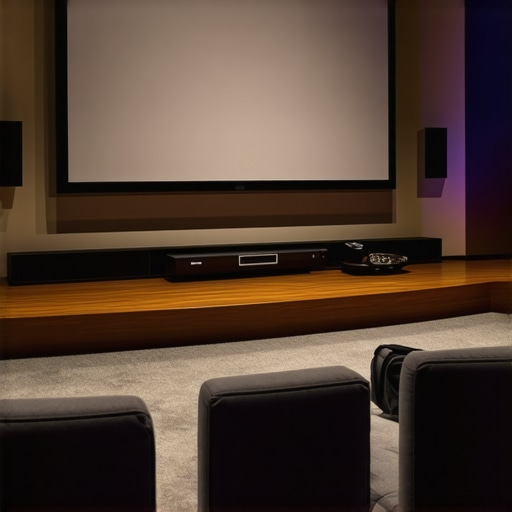
Ever spent hours setting up your home theater only to be disappointed by dull images, glare, or washed-out colors? I remember the lightbulb moment vividly. I was finally convinced that my screen choice was holding back my entire viewing experience. No matter how much I tinkered with my projector or upgraded my audio, the picture just didn’t pop like I’d hoped. It was frustrating, and honestly, it made me question whether I’d ever get that cinema-quality vibe at home.
Why Your Screen Matters More Than You Think
The truth is, your projection screen plays a starring role in how your entire setup performs. For years, I thought that a decent screen was enough — but I learned the hard way that not all screens are created equal, especially with newer tech trends like high gain and ALR (Ambient Light Rejection) screens emerging in 2024. These advancements are game-changers, promising brighter images and better contrast even in rooms with ambient light. But here’s the catch: choosing the right screen isn’t just about picking the most expensive one or the biggest size. It’s about understanding the specific needs of your space, your projector, and what kind of viewing experience you’re after.
And trust me, I made my fair share of mistakes early on. I bought a fixed frame screen thinking it would deliver perfect alignment, only to realize I needed a motorized pull-down for flexibility. I also underestimated the importance of screen gain — that’s the measure of how much light the screen reflects back. Getting this wrong meant dull images or excessive glare. If you’re like I was, you might be wondering whether high gain screens are worth the hype or if ALR technology really makes a difference. Well, I’m here to tell you that with the right information, you can make smarter choices that elevate your home theater to the next level.
Are High Gain and ALR Screens Actually Worth the Hype?
One mistake I made early on was assuming bigger was always better. I went for a massive screen without considering the ambient light or gain properties, and my image suffered. It’s easy to get caught up in flashy specs without understanding how they apply to your room. The good news? There’s plenty of breakthrough technology in 2024, like advanced ALR coatings and high gain fabrics, that can drastically improve brightness and contrast—especially in bright rooms. If you’re curious about which options deliver real value, I’ll guide you through the top picks and what to look for. Want to learn more about the latest innovations? Check out ALR screen tech breakthroughs for 2025 for a sneak peek of what’s coming next.
So, if you’ve faced the frustration of washed-out images or glare ruining your movie nights, you’re not alone. And good news: with the right knowledge about projection screens, high gain, and ALR technology, you can transform your viewing experience. Ready to dive into the practical steps? Let’s get started and find the perfect screen for your home theater.
Determine Your Room Conditions
Before picking a screen, assess your room’s ambient light levels. If you have windows or strong artificial lighting, opt for a high gain or ALR (Ambient Light Rejection) screen. Take note of the size of your room and the distance from the projector to the screen, as this impacts the screen size and gain considerations. I once measured my room’s light during a sunny afternoon, which revealed the need for a more reflective screen to combat glare.
Choose Between Fixed Frame and Pull-Down Screens
Fixed frame screens are like a perfectly stretched canvas—ideal for a dedicated, dark theater room for sharp, uniform images. Pull-down screens offer flexibility, especially if your room serves multiple purposes or has limited space. I installed a fixed frame screen initially, but later added a motorized pull-down for versatility, which proved invaluable when hosting different types of content. For detailed comparisons, check this guide.
Understand Screen Gain and Its Impact
Screen gain measures how much light the screen reflects. A gain of 1.0 reflects light uniformly, ideal for dark rooms. Higher gain (above 1.3) boosts brightness but can cause hotspots and glare if misused. Think of gain like a mirror—higher gain is like a shiny, reflective surface. I experimented with different gains, starting with a 1.0 and moving to a 1.4 gain screen, which significantly brightened my daytime viewing experience. For more insights, see this explanation.
Leverage ALR Technology for Bright Rooms
ALR screens are designed to reject ambient light, making images pop even in bright environments. They use special coatings or fabrics that direct light towards the projector and absorb or redirect ambient light away from the viewer’s eyes. When I upgraded to an ALR screen, my images became clearer and more vibrant during the day. Dive deeper at this resource.
Calculate the Right Size and Gain
Size matters. A screen that’s too big can cause eye strain, while too small diminishes immersion. Use a ratio of 1.5 to 2.5 times your viewing distance for optimal size. For gain, balance brightness with image uniformity; a gain of 1.2 to 1.4 works well for bright rooms. I measured my viewing distances and chose a 120-inch screen with 1.3 gain, which balanced brightness and clarity. For detailed calculations, see this guide.
Test and Fine-Tune Your Setup
Once installed, test your setup with various content. Adjust projector brightness and contrast settings, and if possible, tweak the screen position or gain accessories. I found that slight adjustments in projector settings made a huge difference in daytime viewing. Remember, the perfect setup often requires experimentation—don’t be afraid to tweak until you get the image you want.
By systematically analyzing your space, understanding gain and ALR technology, and choosing the right hardware, you can significantly improve your home theater experience. For personalized advice, consider reaching out via contact us. Keep experimenting, and enjoy your cinematic moments at home!
Many home theater enthusiasts fall into misconceptions that can sabotage their setup. For example, a prevalent myth is that bigger screens are always better. In reality, oversizing without considering room lighting and gain can lead to washed-out images and eye strain. It’s critical to match screen size to your room and projector capabilities, a nuanced step often overlooked. Learn more about optimal sizing and gain here.
Another mistake is assuming that all ALR (Ambient Light Rejection) screens are equivalent. Not so. Many users believe that any ALR screen will drastically improve daytime viewing, but the technology varies significantly. Some lower-end ALR screens can create hotspots or color shifts, which diminish image quality. The key is to understand the specific coating or fabric technology used. For advanced users, I recommend exploring latest ALR innovations for 2024 to identify the best options.
Why does screen gain really matter for bright rooms?
Screen gain reflects how much light the surface reflects back. While many assume higher gain always equals better brightness, this isn’t true. High gain screens (>1.3) can cause hotspots and uneven illumination if not properly installed or chosen for the room’s ambient light profile. Conversely, a screen with too low gain might struggle to deliver vivid images in a bright environment. Striking a balance is essential, and understanding this nuance can save you from costly mistakes. For expert insights, visit this detailed guide.
Many believe fixed frame screens are always superior, but in practice, motorized pull-down screens offer unparalleled flexibility, especially in multi-purpose rooms. The misconception is that fixed screens guarantee perfect alignment, but they lack adaptability. When choosing, consider your room’s layout and future needs, a factor often underestimated. For a comprehensive comparison, see this article.
Ultimately, the secret is to understand the complex interplay between screen technology, gain, room lighting, and your viewing habits. Avoid simplistic assumptions, and tailor your choices based on nuanced, expert advice. Have you ever fallen into this trap? Let me know in the comments, and I’ll help you refine your setup for the best cinematic experience possible!
How do I maintain my projection setup over time?
Maintaining your projection screen, whether it’s a fixed frame, pull-down, or ALR model, is key to ensuring long-lasting performance and image quality. I personally use a combination of gentle cleaning techniques and regular inspection routines to keep my screens in top shape. For example, I use a soft microfiber cloth to dust the surface weekly, avoiding harsh chemicals that can degrade the coating. When dealing with stubborn smudges or dirt, I lightly dampen the cloth with distilled water or a specialized screen cleaner recommended by manufacturers. This approach prevents scratches and preserves the reflective qualities of the fabric.
In addition to cleaning, it’s crucial to check the tension and alignment of your fixed frame or pull-down mechanism periodically. Over time, tension can loosen, leading to wrinkles or uneven surfaces, which impair image sharpness. I use a simple tension gauge and realign the mounting brackets if needed, following detailed steps from this installation guide. For motorized pull-downs, regular lubrication of moving parts and firmware updates ensure smooth operation and prevent mechanical failure.
Tools I Recommend for Ongoing Maintenance
To keep my screen in prime condition, I rely on a few specialized tools. First, a high-quality microfiber cloth is essential; I prefer ones treated for anti-static properties to reduce dust buildup. Second, I use a laser level to verify perfect alignment after cleaning or adjustments, which I find helps maintain a crisp, professional look. Additionally, I utilize a small, portable vacuum with a soft brush attachment to gently remove dust from the frame edges without risking damage to the surface.
For more advanced maintenance, I use a digital lux meter to measure ambient light levels and ensure my ALR screen’s performance remains optimal in different lighting conditions. This helps me decide if I need to adjust the projector’s brightness or consider upgrading my screen gain for brighter rooms. As technology evolves, I expect future tools will incorporate smart sensors that automatically monitor and adjust screen settings for peak performance—making maintenance less manual and more intuitive.
Future Trends in Projection Screen Care
Looking ahead, I predict that maintenance will become increasingly automated, with IoT-enabled screens capable of self-diagnosis and adjustments. Imagine a scenario where your screen alerts you via an app when dust levels are high or when tension needs tightening. Such innovations will simplify long-term upkeep, ensuring your viewing experience remains consistently excellent without much effort on your part. For now, sticking to routine cleaning, periodic inspections, and using the right tools is the best way to preserve your investment.
Don’t forget to try out a microfiber cloth combined with a gentle cleaner for your next cleaning session—this simple step can significantly extend your screen’s lifespan and performance. If you want personalized advice on maintaining your specific setup, feel free to reach out through this contact page. Keep your screen pristine and enjoy a flawless cinematic experience for years to come!
The Hardest Lesson I Learned About projection screen,alr screen,fixed frame screen,pull down screen,screen gain
One of my biggest mistakes was oversizing my screen without considering ambient light or gain. I thought bigger was always better, but I ended up with a washed-out image and eye strain. Now I understand that matching screen size and gain to your room’s lighting and projector capabilities is crucial for a stunning picture.
3 Myths About projection screen,alr screen,fixed frame screen,pull down screen,screen gain That Held Me Back
I used to believe that all ALR screens were equal and that fixed frame screens always provided perfect alignment. Both are misconceptions. Not all ALR coatings reject ambient light equally, and fixed screens lack flexibility for multi-purpose rooms. Choosing the right technology depends on your specific space and needs.
What Experts Won’t Tell You About projection screen,alr screen,fixed frame screen,pull down screen,screen gain
High gain screens can significantly boost brightness, but they also risk hotspots and glare if misused. The secret is balancing gain with room conditions. I’ve learned that understanding the nuances of screen technology—like the difference between coatings and fabrics—is what truly elevates your home theater experience.
Curated Recommendations for Elevating Your Home Theater
- ProSource Projection Screens: Trustworthy for their wide range of screens tailored for different room conditions. Their expert advice helped me choose a high gain ALR screen that works in bright rooms.
- AV Science Forums: A goldmine for honest reviews and technical insights from fellow enthusiasts. I found invaluable tips about calibrating projector settings for various screen gains.
- Home Cinema Tech Blogs: Regularly updated with the latest innovations, these blogs kept me informed about emerging ALR coatings and motorized screens that offer flexibility and durability.
- Projection Calculator Tools: Online calculators that help determine optimal screen size and gain based on room dimensions and projector specs. They saved me from costly trial-and-error experiments.
Your Next Step Toward Cinematic Bliss
Now that you know the hidden lessons and expert tips, it’s your turn to transform your home theater. Don’t wait for the perfect setup—start experimenting with your room’s unique conditions and choose the right projection screen technology. Remember, the journey to stunning visuals is a mix of knowledge, patience, and a willingness to learn. How will you apply these insights to your own space? Share your plans below, and let’s elevate home entertainment together!
3 Responses
Reading through this post really made me reflect on my own home theater setup. I initially thought that size was everything, and I chose a massive screen without paying enough attention to ambient light or gain. During daylight, the image was washed out, and I experienced eye strain even during short viewing sessions. It’s only after reading this that I realize how crucial it is to match screen gain and size to your specific room conditions. I especially appreciated the insight about ALR screens and their ability to reject ambient light effectively. Has anyone here experimented with different gain levels in the same room, and if so, what were your results? I’m considering upgrading my current screen, but I want to ensure I pick the right gain this time around. Looking forward to hearing more beginners’ experiences or tips on balancing gain and ambient light!
This post really hits home for anyone who’s been frustrated with lackluster picture quality despite spending a lot on projectors and sound systems. I agree, the screen plays a pivotal role—often underestimated. When I upgraded to a high gain ALR screen last year, the difference was night and day, especially during daytime viewing. One thing I found particularly interesting is how gain can cause hotspots if not carefully matched with room lighting and projector brightness. I’ve learned that even a slight mismatch can lead to glare and uneven illumination, which ruins the viewing experience. How do others here approach balancing gain with ambient light to avoid those hotspots? I think a lot of hobbyists could really benefit from understanding how to fine-tune these settings for their unique rooms. Overall, understanding these details has made me more confident in selecting screens that truly enhance my home theater. Would love to hear about setups where adjusting gain made a noticeable difference—any tips or lessons learned from your experiments?
This post really hit the mark about the importance of choosing the right projection screen, especially when considering the latest tech like high gain and ALR surfaces in 2024. I’ve actually seen a huge difference myself after upgrading to an ALR screen in my bright living room. It’s fascinating how much the technology can reject ambient light and make daytime viewing viable without washing out the image. One challenge I faced was finding the right balance of gain: I initially went for a 1.4 gain, thinking it would maximize brightness, but I noticed hotspots when I sat off-center. After experimenting, I settled on a 1.2 gain that still provides good brightness without the glare issues. Regarding room conditions, I’d add that using a light meter to measure luminance before buying a screen really helps tailor the choice. How do others here decide on the optimal gain for their specific room and projector combination? I’d love to hear your tips for avoiding hotspots and glare in different lighting environments.