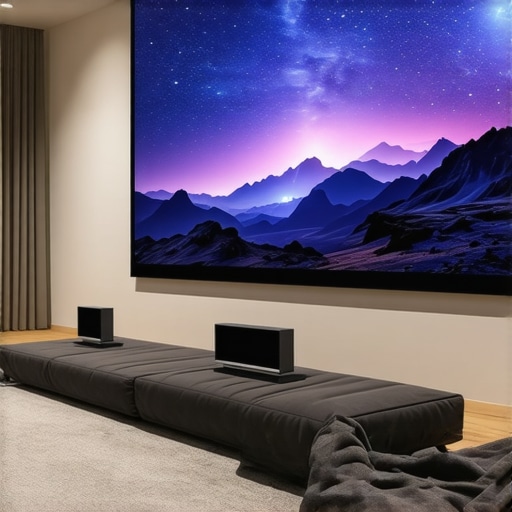
My Journey into the World of Pull-Down Screens and Screen Gain
As a passionate home theater enthusiast, I remember the first time I set up my own dedicated viewing room. I was eager to get the perfect picture quality, but I quickly realized that choosing the right projection screen was more complex than I thought. After some trial and error, I discovered that understanding screen gain and pull-down screen technology was crucial to achieving that crystal-clear clarity I was after.
Why I Switched to High-Gain Pull-Down Screens for Bright Rooms
Initially, I used a standard matte white screen, but in my bright living room, the picture lacked punch and vibrancy. That’s when I learned about high-gain screens and their ability to reflect more light, resulting in brighter images. I found that high-gain pull-down screens could significantly improve visibility in well-lit environments, making my viewing experience much more enjoyable during daytime or in rooms with ambient light.
Pull-Down Screens vs Fixed-Frame: Which Fits My Needs?
One of the biggest decisions was choosing between a pull-down screen and a fixed-frame model. I often watch movies with friends, so I needed something versatile. After comparing fixed-frame and pull-down options, I realized that pull-down screens offered more flexibility, especially since I could retract them when not in use. This was a game-changer for my space, allowing me to keep my room looking sleek and uncluttered.
How Does Screen Gain Impact Brightness and Clarity?
Understanding screen gain was a revelation for me. Essentially, it’s about how much light the screen reflects compared to a standard matte white surface. A higher gain means a brighter image, but it can also lead to hotspots if not properly positioned. I found that balancing gain with my projector’s lumen output was key. For example, in my bright room, I opted for a screen with a gain of around 2.0, which provided a vivid picture without sacrificing detail. For more technical insights, I recommend visiting this resource.
What Are the Best Strategies for Optimizing Screen Gain and Setup?
To maximize clarity, I experimented with screen placement, projector alignment, and ambient light control. I also explored proven strategies for image enhancement. Ensuring my projector was correctly calibrated and that the screen was properly tensioned made a noticeable difference. It’s worth noting that high-gain screens tend to be more sensitive to viewing angles, so I positioned my seating accordingly to avoid distortions.
How do I choose the right screen gain for my specific room conditions?
This is a common question I see from fellow home theater buffs. The answer depends on factors like ambient light, projector brightness, and seating distance. Generally, in brighter rooms, higher gain screens help maintain image clarity, but in darker rooms, a lower gain provides more uniformity. For tailored advice, I suggest consulting expert insights available on this detailed guide.
If you’re passionate about perfecting your home theater setup, I encourage you to share your experiences or ask questions in the comments below. Remember, the right combination of pull-down screen technology and screen gain can truly transform your viewing experience into something spectacular!
How Does Ambient Light Influence Screen Gain Choices?
One of the nuanced aspects I’ve learned over years of customizing home theaters is how ambient light conditions dictate the ideal screen gain. In rooms with substantial natural or artificial light, a high-gain screen can significantly enhance brightness and contrast, ensuring the picture remains vibrant and sharp. Conversely, in darker environments, a lower gain screen often provides more uniform illumination without hotspots or glare.
For instance, in a bright room, I recommend considering screens with a gain of 2.0 or higher, which can reflect more light and combat ambient illumination effectively. However, these screens demand precise positioning and viewing angles to avoid distortions. Conversely, in controlled lighting setups, a gain around 1.0 to 1.3 offers balanced brightness and wider viewing angles, ensuring consistent image quality across seats.
In this context, understanding screen gain fundamentals helps you make informed decisions tailored to your room’s specific lighting conditions, projectors, and seating arrangements.
Refining My Setup: The Subtle Art of Screen Gain and Its Impact on Brightness Dynamics
Over the years, I’ve come to realize that understanding screen gain isn’t just about selecting a higher or lower value; it’s about mastering the delicate balance between brightness, contrast, and viewing angles. When I first started experimenting with different gains, I noticed that a gain of 2.0 made my images pop vividly, especially in my bright living room. However, I also learned that higher gain screens tend to have narrower optimal viewing angles, which can lead to distortions if not carefully positioned. This realization prompted me to think more critically about my seating arrangement and projector placement, ensuring that every seat enjoyed a pristine image without hotspots or glare.
Why My Pursuit of Visual Perfection Led Me to Explore Screen Gain Nuances
My quest for the perfect home theater wasn’t just about choosing the right projector or screen— it was about understanding how these elements interact under various lighting conditions. I delved into technical resources like this comprehensive guide and discovered that the gain value influences how light reflects off the screen, affecting overall image uniformity and contrast. What fascinated me most was that a slightly lower gain, such as 1.3, could provide wider viewing angles and more consistent brightness—an essential factor for larger audiences or irregular seating layouts. This insight transformed my approach, pushing me to experiment with different gain screens tailored to my specific room conditions and projector capabilities.
How Do I Optimize Screen Gain for My Unique Room Conditions?
One of the most rewarding aspects of my journey has been customizing my setup based on nuanced room characteristics. In my case, ambient light from large windows necessitated a high-gain screen during daytime viewing, but I also had to manage hotspots that appeared when sitting off-center. To mitigate this, I shifted toward a screen with a gain of 2.0 but introduced strategic light control—such as blackout curtains and indirect lighting—to ensure an even, vibrant picture. Conversely, during evening movie nights, I switch to a lower gain screen to enjoy a more immersive, uniform image across all seats. This iterative process underscores that selecting the right gain isn’t static; it’s a dynamic decision that evolves with your room’s lighting and viewing habits.
What Advanced Techniques Can Further Enhance My Screen Gain Setup?
Beyond choosing the right screen gain, I’ve found that calibration plays a crucial role in maximizing image quality. Using professional calibration tools and techniques, I fine-tune my projector’s brightness and contrast settings to complement my screen’s gain profile. Additionally, I’ve explored advanced image enhancement strategies such as adjusting the projector’s lens shift and keystone correction to maintain optimal angles and avoid distortions. Moreover, considering ambient light levels and their interaction with screen gain can make a significant difference—especially in rooms where light conditions fluctuate throughout the day. By understanding these complex interactions, I’ve been able to create a more consistent, high-quality viewing environment that truly elevates my home theater experience.
If you’re passionate about optimizing your projection setup, I invite you to share your experiences or ask questions below. Remember, mastering screen gain is a nuanced journey, but the payoff—a stunning, immersive image—is well worth the effort. For more detailed insights, exploring resources like this guide on projection screens can provide valuable guidance in refining your setup.
Refining My Approach: The Subtle Nuances of Screen Gain and Its Effect on Brightness Dynamics
Over the years, I’ve come to appreciate that mastering screen gain involves more than just selecting a high or low value; it requires a nuanced understanding of how it interacts with ambient light, projector capabilities, and seating arrangements. My journey into this complex territory revealed that a gain of 2.0 can deliver stunning vibrancy in well-lit environments, but it also narrows the optimal viewing angles, demanding meticulous positioning to prevent hotspots and glare. This realization prompted me to think critically about my room’s layout, ensuring every seat benefits from a consistent, glare-free image.
Why My Pursuit of Visual Perfection Led Me to Explore the Depths of Screen Gain
My relentless quest for cinematic perfection pushed me to explore the intricate interplay between screen gain and ambient conditions. I delved into authoritative resources such as this comprehensive guide, uncovering that the gain value directly influences light reflection and contrast. I discovered that slightly lower gains, like 1.3, extend viewing angles and promote uniform brightness—crucial for larger audiences or rooms with irregular seating configurations. This insight transformed my approach, encouraging me to select screens tailored precisely to my room’s lighting and projector specifications, thus elevating my home theater experience to professional standards.
How Can I Optimize Screen Gain for My Unique Room Conditions?
Customizing my setup based on nuanced room characteristics became a rewarding challenge. In my case, large windows introduced significant ambient light, necessitating a high-gain screen during daytime viewing. However, hotspots emerged when sitting off-center, prompting me to experiment with a gain of 2.0 combined with strategic light management—such as blackout curtains and indirect lighting—to maintain even illumination. Conversely, during evening viewing, I switch to a lower gain, around 1.3, for a more immersive and uniform image across all seats. This iterative process underscores that selecting the ideal gain is a dynamic decision, evolving with changes in lighting conditions and viewing habits.
What Advanced Techniques Can I Use to Further Enhance My Screen Gain Setup?
Beyond selecting the right gain, precise calibration of my projector played a vital role. Using professional tools like colorimeters and calibration software, I fine-tuned brightness and contrast settings to complement my screen’s gain profile. I also explored advanced image enhancement techniques, including lens shift adjustments and keystone correction, to optimize angles and prevent distortions. Moreover, understanding the fluctuating nature of ambient light helped me implement adaptive lighting solutions, ensuring a consistently high-quality picture throughout different times of day. Mastering these techniques has been instrumental in creating a truly immersive home theater environment that rivals commercial cinemas.
If you’re passionate about elevating your projection setup, I invite you to share your experiences or ask questions below. Deepening your understanding of screen gain and its nuanced application can unlock new levels of visual excellence in your home theater, turning ordinary viewing into an extraordinary cinematic journey. For more insights, exploring this comprehensive guide on advanced screen technologies can provide valuable guidance in refining your setup.
Things I Wish I Knew Earlier (or You Might Find Surprising)
The Hidden Impact of Seating Angles
One thing I underestimated at first was how sensitive high-gain pull-down screens are to seating positions. I used to think that as long as I was facing the screen, the picture would look great, but I soon realized that sitting at an angle can cause hotspots or color shifts, especially with higher gain screens. Adjusting my seating or opting for a slightly lower gain helped me enjoy a more uniform image across all seats.
The Power of Ambient Light Control
While I naively believed that a high-gain screen could solve all brightness issues, I learned that ambient light management is just as crucial. Blackout curtains and indirect lighting made a huge difference in ensuring my bright, high-gain screen performed optimally, preventing glare and hotspots that can ruin the viewing experience.
The Calibration Is Worth It
Initially, I thought my projector was enough, but proper calibration of brightness, contrast, and color settings tailored to my screen gain made a noticeable difference. Investing in professional calibration tools or services is something I wish I did earlier—it’s a game-changer for image quality.
Choosing the Right Screen Gain Is a Balancing Act
High gain isn’t always better; I learned that in rooms with lots of ambient light, a gain of around 2.0 works well, but in darker settings, lower gains like 1.3 provide more uniformity and wider viewing angles. Understanding your room’s lighting and projector output is key to making the best choice.
Room Layout Matters More Than You Think
Rearranging furniture to optimize viewing angles and avoid hotspots has been one of my best decisions. Sometimes, a simple change in seating or projector angle can dramatically improve image quality, especially with sensitive high-gain screens.
Don’t Overlook the Importance of Proper Mounting
Secure, smooth installation of pull-down screens ensures even tension and prevents wrinkles or distortions. I learned that a poorly mounted screen can introduce unwanted reflections or uneven surfaces, diminishing the benefits of high gain.
Resources I’ve Come to Trust Over Time
Home Cinema Essentials
This website has been my go-to for comprehensive guides and product comparisons. Their articles on projection screen types helped me understand the nuances between different options, making my decision much easier.
Expert Calibration Tools
Using tools like the SpyderX colorimeter and calibration software from trusted brands has improved my picture quality significantly. I recommend these to anyone serious about fine-tuning their setup.
Technical Resources on Screen Gain
The detailed guides on screen gain fundamentals provided me with a deeper understanding of how gain affects brightness and contrast, which is essential for making informed choices tailored to your environment.
Parting Thoughts from My Perspective
Reflecting on my journey with pull-down screens and screen gain, I realize that patience and experimentation are key. There’s a fine balance between choosing the right gain, controlling ambient light, and optimizing projector placement. Personally, mastering these elements transformed my home theater into a true cinematic sanctuary. If you’re passionate about creating an immersive viewing experience, I encourage you to dive into these details, experiment with different setups, and learn from trusted resources like this comprehensive guide. Don’t be afraid to tweak and refine—your perfect home theater awaits. Feel free to share your experiences or ask questions below; I’d love to hear how you’re approaching your setup!”},
6 Responses