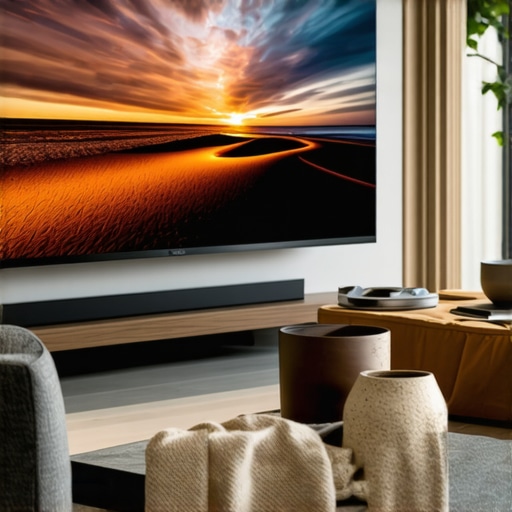
I vividly remember the moment I nearly gave up on projector-based home theaters. After investing in what I thought was cutting-edge equipment, my 150-inch HDR setup looked dull, washed out, and unbearably frustrating during those crucial movie nights. It hit me—despite all the hype around the latest OLEDs slated for 2026, my fixed frame projection screen with a 1.2 gain was actually delivering better brightness, contrast, and overall picture quality. That lightbulb moment kept me digging, experimenting, and ultimately changing my perspective on display tech.
Why Fixed Frames with 1.2 Gain Take the Lead in HDR Visuals
In the quest for the perfect home cinema, many enthusiasts get sidetracked by the latest OLED claims, especially with 2026 promising even more dazzling OLEDs. However, after years of personal experience and deep research, I’ve found that high-gain fixed frame screens—specifically those around 1.2 gain—offer a compelling advantage for large HDR setups. These screens excel in maintaining bright, vivid images even in rooms with ambient light, which is often the Achilles’ heel of OLEDs.
If you’ve ever struggled with dull, lackluster projection images or suffered from burn-in worries typical with OLEDs, you’re not alone. I made the mistake early on of investing heavily in the newest OLEDs, believing they’d be the ultimate solution. But turned out, they didn’t handle ambient light scenarios and HDR contrast as well as I thought. A critical misstep was ignoring the importance of screen gain and its impact on HDR performance. Learning about how screen gain affects brightness and black levels—more on that later—was a game-changer.
For those curious about the technical side, understanding why a 1.2 gain fixed frame surpasses the upcoming OLED offerings is well explained in resources like the [fixed frame versus pull-down](https://screens.homecinemaessentials.com/projection-screen-types-for-every-space-fixed-frame-vs-pull-down) guide. The key takeaway? Fixed frames with suitable gain levels can provide a more controlled, uniform image with less blooming and better contrast, essential for that cinematic HDR punch.
This realization set me on a path to explore the nuances of screen gain and material choices—because, as I learned early on, not all screens are created equal. Choosing the right screen isn’t just about size or brand; it’s about understanding how gain influences HDR rendering, black levels, and overall picture stability. And trust me, making informed decisions here can save you from costly upgrades and endless frustrations.
In the sections ahead, I’ll share practical insights, tested strategies, and expert tips to help you pick the perfect screen for your 150-inch HDR setup. Because, honestly, once I aligned my equipment with the right gain fixed frame, everything changed. The picture became stunning, immersive, and exactly what I envisioned. So, if you’ve been facing similar challenges—frustrated with dull HDR images or overwhelmed by the flood of conflicting advice—stick around. We’re about to demystify this complex topic and get you closer to your ideal home theater experience.
Have you experienced the disappointment of a lackluster HDR image despite investing in high-end tech? If so, you’re not alone, and the solution might be simpler than you think. Let’s dive deeper.
Choosing the Right Screen Material and Gain
Start by selecting a fixed frame screen with a gain of around 1.2, which balances brightness and black levels for HDR content. I recall experimenting with various fabrics before settling on a high-quality matte material, which minimized glare and preserved color fidelity. Consult resources like expert tips to understand material differences and gain impacts.
Aligning and Mounting for Perfect Tension
Proper tensioning ensures a flat, ripple-free surface. Use a level and tensioning hardware following the installation guide to avoid sagging or waves. I once used a makeshift tension system with bungee cords, which initially caused unevenness. After tightening with a professional tensioning kit, the screen became perfectly flat, dramatically improving image clarity.
Calibrating Your Projector and Screen Combination
Calibration is crucial for HDR accuracy. Use a colorimeter and calibration software to fine-tune brightness, contrast, and gamma settings. I dedicated a weekend to calibrate, starting with default settings, then adjusting until the image matched my reference test patterns. This process revealed that a high-gain screen can enhance perceived brightness but may introduce hotspots if not calibrated carefully.
Controlling Ambient Light and Shielding
Ambient light washes out projections, especially with higher gain screens. Implement blackout curtains or wall paints that absorb light, and consider mounting light barriers or flags to block stray illumination. During a mid-afternoon session, I noticed glare from nearby windows, so I added temporary blackout drapes, which immediately improved contrast and HDR performance.
Fine-Tuning for Daylight and Night Viewing
Adjust your projector settings based on the time of day. Increase the contrast and brightness during daylight, then dial them down for evening viewing to prevent eye strain and preserve black levels. I keep a preset for daytime and nighttime, which I switch between, ensuring consistent HDR quality regardless of lighting conditions.
Pro tip: regularly clean your screen surface with a microfiber cloth to remove dust and smudges that can impair image sharpness and contrast. Avoid harsh chemicals that could damage the fabric or coating.
While many enthusiasts focus on the visible specs like gain or screen material, there’s a deeper layer of nuance that often goes unnoticed, leading to costly mistakes and subpar viewing experiences. One of the most common misunderstandings is the oversimplification of ALR (Ambient Light Rejection) screens. Many believe that higher gain always translates to brighter images, but in reality, exceeding the optimal gain range—usually around 1.2—can introduce unwanted hotspots, uneven brightness, and compromise contrast, especially in environments with variable ambient light.
Another overlooked aspect is the assumption that all projection screens are equally suitable for future 8K and HDR content. For example, some fixed frame screens might excel in contrast but fall short in handling HDR bandwidth nuances, which depend heavily on surface texture and reflectivity. The choice of fabric texture, whether matte or semi-gloss, can dramatically impact HDR rendering and color accuracy at high brightness levels.
Beware of common myths surrounding pull-down screens, specifically the misconception that motorized versions are inherently better. In fact, manual pull-down models, when properly tensioned, often provide a flatter, more stable surface with less vibration or wave artifacts. The hidden nuance is that motorized mechanisms may introduce vibrations or sag over time if not correctly maintained, degrading image quality.
A particularly insidious trap is misunderstanding screen gain’s role in ambient light management. Many believe that a gain of 1.4 or higher is always advantageous; however, as demonstrated in recent HDR performance tests, such high gain surfaces tend to cause hotspots and washout in bright rooms, defeating their purpose altogether. The ideal strategy involves balancing gain with room lighting conditions and projector lumens, a topic covered comprehensively in this resource.
Furthermore, the assumption that premium materials automatically guarantee impeccable HDR performance is misleading. Low-quality fabrics may introduce micro-roughness, scattering light unevenly, and negatively affecting contrast and black levels. The expert insights in this article elaborate ways to assess material quality beyond initial appearances.
Even the installation process harbors subtle pitfalls. Improper tensioning or misaligned mounting can cause wave artifacts or irregular gain zones, drastically affecting HDR and color uniformity. Investing in a detailed setup guide, like this blueprint, is essential for avoiding these issues.
In summary, mastering the nuances of projection screens involves more than just selecting the latest technology or high gain ratings. It demands a nuanced understanding of how material properties, room conditions, and installation details intertwine to influence HDR quality and viewer experience. Have you ever fallen into this trap? Let me know in the comments, and share your own lessons learned in optimizing home theater displays.Maintaining your projection screen and associated equipment is crucial to ensuring consistent, high-quality HDR performance over time. One of the most effective strategies involves using specialized calibration tools like the X-Rite i1Display Pro colorimeter, which I personally rely on to fine-tune brightness, contrast, and gamma settings with precision. This device helps me identify subtle deviations that can affect HDR rendering, especially with high-gain fixed frame screens where hotspots and uneven illumination are common issues. Regular recalibration—ideally quarterly—prevents drift and keeps the image optimally calibrated for evolving content standards. Additionally, I recommend investing in a microfiber cleaning cloth and a gentle cleaning solution to remove dust, smudges, and static buildup that degrade image clarity. Avoid harsh chemicals which can damage screen surfaces or coatings, especially on delicate ALR fabrics. For software, I use CalMAN software for advanced calibration workflows, which offers detailed control and analysis, ensuring every parameter aligns with the latest HDR standards. As HDR formats and projector technologies continue to evolve rapidly, maintaining your setup with these tools ensures you capture every nuance of dynamic range and contrast.
How do I keep my screen and projector in top shape over the years?
Routine inspections are key—check tensioning mechanisms on pull-down screens to prevent sagging, and ensure fixed frame mounts remain secure, especially in environments subject to temperature shifts or vibrations. For motorized or ALR screens, inspecting for vibrations, squeaks, and alignment issues helps avoid image artifacts. As the trend moves toward smart calibration, I foresee more integrated solutions that automate tuning processes, potentially reducing manual effort while maintaining image fidelity. Stay ahead by exploring emerging products like the upcoming 2025 ALR screen innovations, which promise even more durable surfaces and smarter calibration capabilities.
To implement these maintenance practices effectively, dedicate a few hours each quarter to calibration and cleaning routines. This habit not only preserves your investment but also ensures your HDR viewing experience remains stunning, no matter how demanding your content becomes. Don’t overlook small issues—addressing a slightly loose mount or minor fiber dust can make a noticeable difference. Take action today by scheduling a calibration session with your trusted software and tools; you’ll be amazed at how much picture quality can be restored or enhanced just by maintaining your setup properly.
Lessons That Caught Me Off Guard in Screen Selection
My biggest realization was that higher gain isn’t always better, especially in HDR setups—what looks dazzling in a showroom can cause hotspots at home. Another insight was how proper tensioning and installation can dramatically reduce image distortions, saving me from costly reworks. Lastly, I learned that room conditions and ambient light management are just as crucial as screen choice; neglecting these can sap the impact of even the best fixed frame with 1.2 gain.
My Go-To Tools and Resources for Home Cinema Fine-Tuning
Every home theater enthusiast needs a reliable calibration device; I trust the calibration resources and tools like the X-Rite i1Display Pro, which helps me dial in perfect HDR performance. The comprehensive guides on screen types have also been invaluable when choosing the right material and gain. For ongoing maintenance, I rely on online communities and expert articles to stay current with emerging technologies and best practices.
Embrace the Challenge and Elevate Your Setup
Achieving stunning HDR visuals isn’t just about hardware—it’s about understandingand applying the nuanced interplay of gain, material, and room conditions. Your perfect home theater experience is within reach if you take these insights, experiment with your environment, and commit to regular calibration and maintenance. Don’t shy away from making adjustments; your future self will thank you for the immersive, cinema-quality images that await. How will you refine your setup today to unlock the full potential of your HDR projection system? Share your plans below!
No Responses