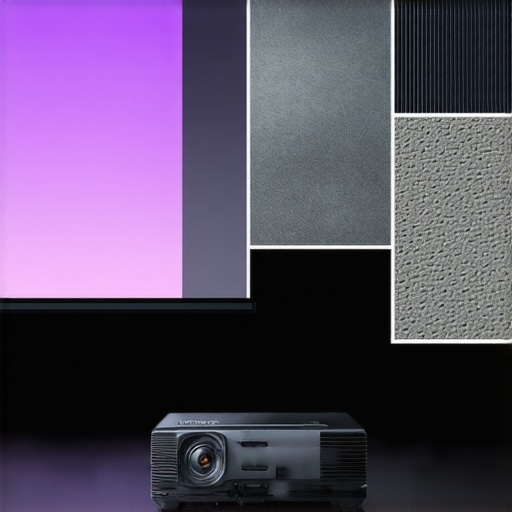
It was late at night, and I was all set for my favorite movie marathon. I pressed play, expecting that perfect cinematic experience. But my screen? It was a washout—glare from the nearby window made the images dull, colors faded, and shadows nearly impossible to see. Frustrating doesn’t even begin to cover it. I realized I wasn’t alone in this battle with glare—many home theater enthusiasts face this challenge, especially as rooms get brighter and projectors become more powerful.
Why Finding the Right Screen Fabrics Matters More Than Ever
In 2026, the demand for bright, vibrant images in home cinemas is surging. As ambient light in rooms increases, standard screens struggle to deliver the clarity and contrast we crave. That’s where Ambient Light Rejection (ALR) fabrics come into play. They are specially designed to combat glare, enhance contrast, and produce stunning images even in less-than-ideal lighting conditions. The right fabric can turn a frustrating glare into cinematic brilliance, making all your investments in projector tech worthwhile.
Early in my journey, I made the mistake of choosing a generic matte screen, thinking it would handle my daylight problems. Instead, I faced washed-out visuals and muddled shadows. That mistake taught me the importance of understanding the nuances between different fabrics—particularly their screen gain and ALR technology. Now, I focus on fabrics that optimize contrast and brightness, ensuring my room stays immersive, no matter the time of day.
With advancements expected to roll out through 2025 and beyond, choosing the right ALR fabric isn’t just about avoiding glare—it’s about elevating your entire home theater experience. Want to know which fabrics are shaping the future? Let’s explore them together.
Will These Fabrics Live Up to the Hype? An Honest Look
Like many, I was skeptical at first. But after trying different fabrics, I saw how certain textures and compositions made a real impact. Remember, making the right choice can be tricky—there are pitfalls, like overestimating gain or ignoring room specifics. Actually, I made that mistake early on by prioritizing high gain without considering ambient light variables. That taught me that a fabric’s effectiveness depends on your room’s unique lighting profile and projector type.
If you’re tired of battling glare and want your home theater to shine, stick around. We’ll walk through the top fabrics for 2026, what sets them apart, and how to pick the perfect one for your space. Ready to transform your viewing? Let’s get started.
,
Set Your Priorities and Space First
Start by defining your room’s conditions. Are you battling ambient light during daytime or mostly watching at night? Measure the room size, wall color, and light sources. For example, I once optimized my basement theater by installing blackout curtains before choosing a screen. This foundational step prevents costly mistakes later and helps determine whether fixed-frame or pull-down screens suit you best.
Choose the Right Screen Technology and Gain
Select a projection screen with the appropriate gain for your environment. Think of gain like the brightness amplifier — it influences how vibrant your image appears. For bright rooms, high gain screens (>1.2) boost brightness but risk hotspots; low gain (<0.8) handles ambient light better but needs a brighter projector. I once tried a 1.5 gain screen in my living room, which sounded ideal, but the glare was overwhelming during daytime. To avoid this, I researched screen gain principles to fine-tune my choice.
Integrate ALR Fabric for Glare Resistance
Ambient Light Rejection fabrics are game-changers. They feature textures engineered to reflect projected light forward while dispersing room light, helping images stay crisp. I upgraded from a matte white to an ALR fabric during a weekend project. The results? Better contrast, fewer reflections, and a boost in color saturation—even with sunlight streaming in. When choosing an ALR screen, consider the texture and color to match your projector’s brightness and your room’s lighting profile. Consult expert tips for optimal selection.
Decide Between Fixed Frame and Pull-Down
Fixed-frame screens offer a sleek, tensioned surface that reduces waves and wrinkles. I installed one in my dedicated theater, following comparative guides. Pull-down screens are more flexible, suitable for multi-purpose rooms but may develop creases over time. To ensure durability, I measured and pre-tensioned my pull-down with the right spring tension, which prevented sagging and edge curl. For detailed setup techniques, check this setup blueprint.
Align and Tension Correctly
Misalignment causes skewed images and distractions. Use a level to ensure the frame is perfectly square against your wall or ceiling. For pull-down models, tension the spring mechanism to eliminate wrinkles; I used a tension gauge to avoid over-stretching, which can cause early failure (see tips). Proper alignment and tension extend the lifespan and improve visual quality considerably.
Optimize Ambient Conditions and Positioning
Ensure the projector is aligned properly with the screen, maintaining the correct throw distance and angle. Use a laser level for precision, similar to what I did to align my new projector. Position seats at optimal viewing angles, avoiding excessive glare or reflections. For outdoor setups, consider shade and wind protection—see outdoor screen stabilization strategies.
Regular Maintenance for Consistent Quality
Clean the screen surface periodically, using a soft microfiber cloth and appropriate cleaning solutions. Tension and alignment checks every few months prevent sagging or skewing. In my experience, maintaining the tension on my pull-down screen prevented edge curl and kept the image flat.
While many enthusiasts focus on the obvious specs like gain or whether a screen is fixed or pull-down, there’s a sneaky world of nuances that often trips up even seasoned enthusiasts. Most people overlook the importance of material composition and installation techniques, leading to performance issues that aren’t immediately obvious. For example, a common myth is that higher gain always equals better brightness—pero, in my experience, obsessing over gain can cause hotspots and uneven image quality if the fabric’s texture isn’t suited for the specific room conditions.
Another nuanced mistake is selecting an ALR fabric based solely on manufacturer hype, without considering room-specific variables like ambient light spectrum and wall reflectivity. Some fabrics reflect certain wavelengths more than others, which can lead to color shifts or shimmer effects under bright lights. As an expert, I recommend diving into latest ALR innovations to ensure your choice aligns with your unique setup rather than just following trends.
Are All Fixed-Frame Screens Equally Durable and Performance-Ready?
The truth is, durability often hinges on the quality of the frame tensioning system and fabric tensioning techniques. Many owners experience sagging or wrinkles over time simply because they didn’t pre-tension appropriately during installation. This is a critical detail that can drastically reduce image clarity, especially in larger screens. To avoid this, I follow a professional installation protocol that emphasizes precise tensioning. Remember, even the best fabric won’t deliver crisp images if it’s sagging or misaligned—so invest time in setup or hire experts to get it right.
Furthermore, many underestimate the impact of mounting position on image quality and glare. An improperly aligned fixed frame or pull-down can introduce skewing and keystoning, which subtlety degrade the viewing experience. Use a level and proper measuring tools to ensure perfect mounting—these small details can make a huge difference over time. Want to avoid these common pitfalls? Check out this ultimate setup guide for insights.
Lastly, the curse of neglecting regular maintenance can cause hidden issues. For example, dust accumulation or fabric surface degradation diminishes contrast, especially with newer high-dynamic-range (HDR) content. Regular cleaning with gentle microfiber cloths and periodic tension checks are simple yet often ignored steps that preserve your investment. This vigilance ensures your screen maintains optimal performance as expert studies suggest that even minor debris can scatter light and cause image washout, particularly in high-gain fabrics.
In essence, mastering projection screens involves more than picking a trendy fabric or a high gain rating. It requires understanding the intricate balance of material properties, installation techniques, room-specific variables, and maintenance rituals. By paying attention to these nuanced details, you unlock the full potential of your home theater. Before you buy your next screen, ask yourself: are you considering these hidden factors? If not, you might be falling into common traps that compromise your viewing experience. Want more tips? Feel free to explore our expert insights and reach out with your questions. Have you ever fallen into this trap? Let me know in the comments.
How do I maintain my fixed frame or pull-down screen over time?
Proper maintenance is crucial for ensuring your projection screen continues to deliver crisp, vibrant images for years to come. One of my go-to strategies involves using high-quality microfiber cloths—specifically designed to trap dust without scratching the delicate surface of ALR fabrics or matte finishes. Regularly wiping the screen surface, preferably once a month, prevents dust buildup that can scatter light and reduce contrast. Additionally, I recommend inspecting the tension and alignment periodically, especially if you notice any warping or skewing. Slight adjustments to tension mechanisms or frame alignment can prevent sagging or wrinkles that negatively impact image quality.
For fixed-frame screens, it’s also wise to examine the frame integrity itself. Over time, screws and mounting brackets may loosen due to room vibrations or temperature fluctuations. Tightening these components ensures the fabric stays taut and flat, preserving optimal image clarity. When it comes to pull-down screens, occasional lubrication of the spring mechanism can prevent uneven retraction or creasing. I personally use a small amount of silicone-based lubricant on the spring and rolling components, following guidelines from this resource.
Another aspect of long-term preservation involves cleaning products. I avoid harsh chemicals or abrasive cleaners that might degrade the fabric over time. Instead, I opt for mild solutions like distilled water or specialized screen cleaning solutions, applied sparingly. This approach maintains the fabric’s reflective properties, ensuring it continues to handle ambient light rejection effectively.
Looking ahead, the future of maintenance tools hints at smart solutions. Imagine using ultrasonic cleaning devices or even sensor-based tension monitors that alert you when adjustments are needed—these innovations could revolutionize how we upkeep our home theaters. In fact, companies are experimenting with smart mounting brackets equipped with built-in tension sensors, which sync with your smartphone for real-time monitoring and adjustments.
To maximize your screen’s lifespan, I highly recommend implementing a routine checkup schedule—quarterly inspections coupled with gentle cleaning. Doing so not only preserves image quality but also saves money by avoiding costly replacements or repairs. Want to take your maintenance a step further? Try adjusting your tensioning mechanism based on the manufacturer’s recommendations or expert guides like this detailed guide. Small, consistent efforts can make a big difference in your home cinema’s performance over time.
In the coming years, I predict smart tensioning and cleaning systems will become standard, providing enthusiasts with effortless ways to keep screens in pristine condition. Until then, your best bet is diligent manual maintenance combined with quality tools to enjoy peak visuals for many movie nights ahead.

What I Wish I Knew About Fixed-Frame and ALR Screens Before Starting
- Don’t Chase High Gain Without Room Context: I learned early that high gain screens (>1.2) can create hotspots if your room isn’t suited for them. Understanding how gain interacts with ambient light was a game changer, and now I always match gain to my space, not just to trends. For a detailed explanation, check this resource.
- Beware of Overestimating ALR Fabrics: Not all ALR fabrics are created equal. I assumed more texture meant better glare rejection, but some textures cause shimmer under HDR content. I discovered that textures and colors are tailored for specific projector tech—choosing wisely can dramatically improve contrast. Learn more at this guide.
- Proper Tensioning is Critical: A loose fabric causes image distortion and can sag over time. I underestimated the power of correct tensioning techniques and saw my screen degrade. Investing in precise tensioning tools and following professional setup procedures keeps the surface flat and crisp. See this installation protocol for insights.
- Lighting Control is Still King: Even with the best ALR fabric, poor room lighting sabotages image quality. I added blackout curtains and optimized lighting placement, which vastly improved my viewing experience. Rigorous control over ambient light remains essential for stunning picture accuracy, especially in bright rooms. For strategies, visit this article.
Tools and Resources That Elevated My Setup
- Professional Tensioning Kits: Precise tensioning tools make a big difference in maintaining fabric flatness over years. I trust professional installation guides for setup tips.
- Screen Gain Calculators: To match gain with room conditions, I use online calculators linked to comprehensive gain guides.
- Maintenance Microfiber Cloths: Gentle cleaning maintains contrast and prevents dust buildup. My favorite brand is recommended in this expert-approved article.
- Smart Tension Monitors: Future innovations include sensor-based tension monitoring, promising hassle-free upkeep. While still emerging, I keep an eye on upcoming tech trends.
Your Turn to Elevate Your Home Theater Journey
Stepping beyond the basics of fixed frame and ALR screens unlocks a world of immersive, vibrant visuals tailored to your unique space. Remember, mastering these nuances pays off in more stunning movie nights and more satisfying viewing. Now, armed with this insider wisdom and trusted tools, you’re ready to make informed decisions that elevate your home theater experience. Don’t wait—start applying these lessons today and transform your media room into the cinematic paradise you’ve always imagined. Have you encountered a particular challenge with projection screens that took you by surprise? Share your story below and let’s grow together.
No Responses