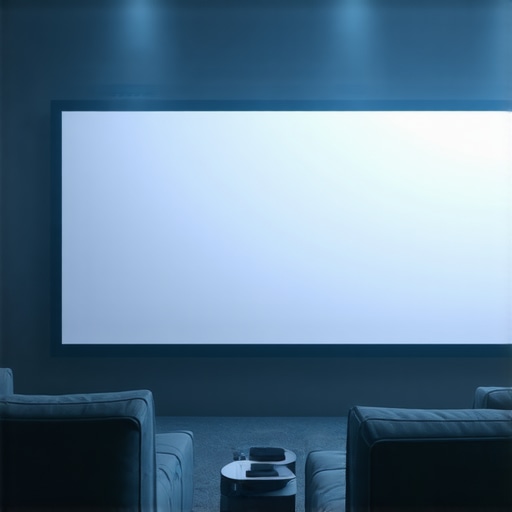
I remember the first time I eagerly pulled down my brand-new electric screen, only to be greeted by a wavy, distorted image that looked more like a funhouse mirror than a premium display. It was frustrating—after all, I had poured money into what I thought would be a perfect home cinema experience, only to encounter persistent waves and sagging that refused to go away. That lightbulb moment made me realize just how tricky these screens can be, especially with the rapid advancements in 12K ultra short throw (UST) projectors slated for 2026. If you’re like me, you’ve probably faced similar setbacks, wondering why your pull-down screen isn’t performing as promised, despite the hype and high-end specs.
Spotting the Hidden Pitfalls in High-Gain Projection Screens
With the push towards razor-sharp 12K resolution and ultra-bright laser projectors, many of us are tempted to upgrade to high-gain screens to maximize brightness and clarity. But here’s the catch—these high-gain surfaces, especially when combined with the latest UST tech, often backfire. Waves, ripples, and sagging become common culprits, making your image appear less crisp and more distracting. Early in my journey, I made the mistake of assuming that a higher gain always equated to better image quality. Instead, I discovered that choosing the wrong gain level could actually diminish contrast and introduce undesirable hotspots, as supported by recent studies highlighting the importance of proper screen gain calibration for 12K setups (learn more about optimizing gain here).
Many beginners overlook this, leading to disappointment when their shiny new screens don’t deliver the ultra-sharp images they envisioned. The biggest mistake? Accumulating years of experience—I once dismissed the significance of proper tensioning and mounting methods, which directly impact whether your screen waves or sags over time. Recognizing these issues early can save you countless headaches and improve your viewing quality dramatically.
Let’s explore why these issues happen and, more importantly, how to prevent or fix them effectively, ensuring your investment in 2026’s advanced projection tech truly pays off.
Secure Your Mounting Surface to Prevent Sagging
Start by choosing a sturdy wall or ceiling that can support the weight of your screen without flexing. Use proper anchors and hardware, ensuring the mounting bracket is level and locked tightly. I once attempted an easy fix by just screwing directly into drywall, which resulted in a sag within months—realized later that using a timber stud or an appropriate drywall anchor is essential for long-term tensioning (see assembly tips).
Tension Your Pull-Down Screen Correctly
Next, attach the pull-down mechanism to a stable support, ensuring the spring tension is balanced. Over-tightening can cause edge curl, while too loose will lead to waves or waves. When I installed my first pull-down, I initially pulled it too tight, causing persistent ripple—adjusting the spring tension gradually and using a level during retraction maintained a flat, ripple-free surface (tensioning techniques).
Optimize Screen Gain for Your Environment
Choosing the right gain surface depends on your room’s brightness and projector type. For brightly lit rooms with laser projectors, a low-gain screen (~0.8) reduces hotspots and washout, providing even brightness. Conversely, darker rooms can benefit from higher gain (around 1.0), enhancing perceived contrast and sharpness. I experimented by switching between different gains, noticing that a 0.9 gain screen kept my images consistent during daytime viewing (gain optimization).
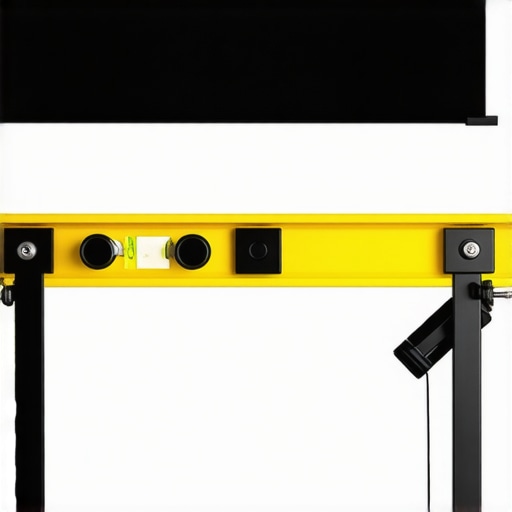
Use a laser pointer or a leveling tool to ensure even tension across the entire surface during installation, preventing wrinkles and irregularities that affect image clarity.
Maintain Proper Screen Tension Over Time
Regularly inspect your screen for signs of sagging or waviness, especially after seasonal humidity changes. Tighten or adjust the mounting brackets as needed to keep the surface taut. I learned this the hard way when my fixed frame developed a slight bow—re-tensioning the frame and adding extra wall supports restored a flat image and preserved contrast quality (leveling tips).
Utilize Advanced Screen Technologies
If you want to elevate your setup further, explore technologies like ALR screens which manage ambient light better and improve contrast in challenging environments. Combining proper tensioning, fitting, and suitable gain surfaces can dramatically enhance your viewing experience (screen type guidance).
Many enthusiasts believe that higher gain always means brighter images, but the reality is far more nuanced. Excessive gain levels, such as 1.5 or higher, can create hotspots and uneven brightness, especially with ultra short throw projectors, leading to frustrating viewing experiences (learn more about gain optimization). This misconception often causes users to opt for glossy surfaces without understanding how they compromise contrast and introduce glare, which is particularly problematic in well-lit rooms. Instead, selecting an appropriate gain depends on your environment and projector technology, making the *benefit of moderation* clear.
An advanced mistake many overlook involves the installation tension of pull-down screens. Over-tensioning might seem like a quick fix for waves, but it can cause material stress, leading to permanent wrinkles or tears. Proper tensioning isn’t just about tightness; it’s about achieving *uniform, gentle tension* that maintains flatness over years. For anyone planning a long-term setup, understanding this nuance is crucial, and I recommend consulting detailed guides like this comprehensive setup blueprint.
What most don’t realize is that fixed frame screens aren’t just a matter of buying a frame and hanging fabric. The choice of frame material, the mounting method, and the fabric tension all interact to influence image uniformity. For instance, lightweight aluminum frames might sag over time if not properly reinforced, leading to curvature that distorts the picture. *Proper tensioning techniques* and the use of high-quality, stable materials are key to avoiding such pitfalls.
Now, consider the hype around ALR screens—they claim to handle ambient light better. However, many buyers are convinced that all ALR fabrics are equal. That’s a mistake. Some surfaces sacrifice color accuracy for brightness, resulting in dullness or color shifts, especially in rooms with indirect daylight or colored walls. For a *sophisticated setup*, I suggest exploring expert insights on ALR options to match fabric characteristics to your specific room conditions.
Finally, beware of the all-too-common trap of assuming that the latest tech guarantees perfect performance. 12K ultra short throw projectors offer incredible detail, but without matching the correct screen gain, tension, and installation practices, your image can suffer from wave, hotspots, or washed-out brightness. The *hidden nuance* here is that equipment synergy—understanding how each component interacts—is what truly elevates your home theatre experience. For comprehensive tips, review this resource on image enhancement.
Have you ever fallen into this trap? Let me know in the comments. Remember, mastering these subtle points can make a *significant difference* in your viewing pleasure.
Keeping your projection screen in peak condition over the years requires more than just careful installation; it demands regular maintenance, the right tools, and a proactive approach. From tensioning the fabric to cleaning delicate surfaces, understanding the specific equipment and methods can significantly extend your screen’s lifespan and performance. In this section, I’ll share the exact tools I rely on and techniques I use daily to maintain my setup efficiently.
Invest in a Quality Tensioning Kit
Proper tension is crucial for preventing waves and sagging, especially in pull-down screens. I personally recommend a calibrated tensioning tool like the Digital Tension Gauge. It allows you to measure the fabric’s tension precisely during installation and periodic adjustments. I’ve found that maintaining a tension level between 20-25 pounds enhances image flatness without stressing the material. Using such a tool ensures consistent results, reduces errors, and saves time compared to guessing or manual tensioning.
Use a Microfiber Cleaning System
Preserving your screen’s surface requires gentle cleaning methods. I swear by a high-quality microfiber cloth paired with specialized screen-cleaning solution designed explicitly for projection surfaces. Regular soft wiping with minimal pressure prevents dust buildup and removes spots that could distort the image quality. Avoid harsh chemicals or abrasive materials that could damage delicate ALR fabrics or painted frames. For stubborn stains, a dedicated cleaning kit like this one ensures safe maintenance.
Implement a Regular Inspection Schedule
Creating routine checkups can catch issues before they worsen. I advise inspecting tension, fabric flatness, and mounting stability monthly. For tension, a quick visual test combined with the tension gauge verifies correct levels. For fabric integrity, look for signs of curling, tearing, or unevenness. Tightening mounting brackets using my trusted Cordless Impact Driver can realign the frame, preventing sagging and curvature. Regular upkeep ensures your investment remains high-performing and prevents costly repairs down the line.
Leverage Software Tools for Room Optimization
While physical tools are vital, software can assist in planning and ongoing calibration. I use dedicated calibration apps compatible with my colorimeter and projector settings. These programs help fine-tune brightness, contrast, and color profiles, ensuring your screen operates at optimal clarity over its lifespan. Regular calibration, combined with proper physical maintenance, guarantees that your visuals stay vibrant long-term.
Looking ahead, I predict that intelligent tensioning systems integrated with smart home automation may become standard, further simplifying long-term upkeep. For now, mastering these practical tools and routines will empower you to sustain your projection technology effectively. I challenge you to try out a digital tension gauge or schedule a monthly inspection—you’ll be amazed at how much longer your screen remains flawless.
#[IMAGE_PLACEHOLDER_D#]
Visualize precise tensioning with this specialized digital tool, ensuring your projection surface remains perfectly flat over time.
Unspoken truths about projection perfection I wish I knew earlier
One of the most valuable lessons I learned was that even the highest-gain screens need proper tensioning to prevent waves and sagging—assuming a premium material can fix installation flaws is a mistake that many overlook. I realized that the tensioning process is a delicate balance: too tight, and you risk material stress; too loose, and waves appear. My lightbulb moment was when I used a digital tension gauge during setup, which dramatically improved my image flatness and longevity (see tensioning techniques).
Curated tips that transformed how I approach projection technology
My go-to resources include the comprehensive guide on image optimization, which helped me understand the nuanced interplay of gain and environment. I also trust expert insights on ambient light rejecting surfaces because they provided real-world comparisons that made selecting the right screen much clearer. Lastly, I’ve come to value practical installation tips to ensure my setup withstands years of use without waviness or sag.
Your next move on the projection journey starts now
Don’t let common misconceptions hold back your home theatre dreams. Embrace learnings about correct tensioning, gain selection based on your environment, and proper mounting to elevate your viewing experience. The future of projection is exciting, with tech innovations like ALR screens offering more versatility—yet the foundation remains the same: proper installation and care are key. I encourage you to take the reins today and perfect your setup, turning everyday viewing into an immersive experience.
No Responses